
GEO vs SEO in 2026: What's the Difference and Which One Matters More?
📌 In This Article
- Quick Answer: GEO vs SEO
- What Is SEO?
- Why SEO Became So Important
- What Is GEO?
- Why GEO Is Growing So Fast
- GEO vs SEO: The Biggest Differences
- Does GEO Replace SEO?
- How AI Search Engines Find Content
- What Makes Content GEO-Friendly?
- Clear Headings
- Direct Answers
- Tables
- FAQs
- Statistics and Examples
- GEO Strategies That Work in 2026
- Create Comprehensive Content
- Answer Real Questions
- Use Topic Clusters
- Build Topical Authority
- Real-World Example
- Will Backlinks Still Matter?
- Common GEO Mistakes
- Chasing AI Buzzwords
- Ignoring SEO
- Publishing Thin Content
- Frequently Asked Questions
- What is GEO?
- What is the difference between GEO and SEO?
- Does GEO replace SEO?
- Can small websites benefit from GEO?
- Is GEO important in 2026?
- Final Thoughts
If you've been following digital marketing trends recently, you've probably noticed a new term appearing everywhere: GEO.
For years, SEO (Search Engine Optimization) was the primary strategy for getting traffic from Google and other search engines. Businesses invested heavily in keyword research, backlinks, content optimization, and technical SEO to rank on the first page of search results.
But in 2026, the search landscape is changing rapidly.
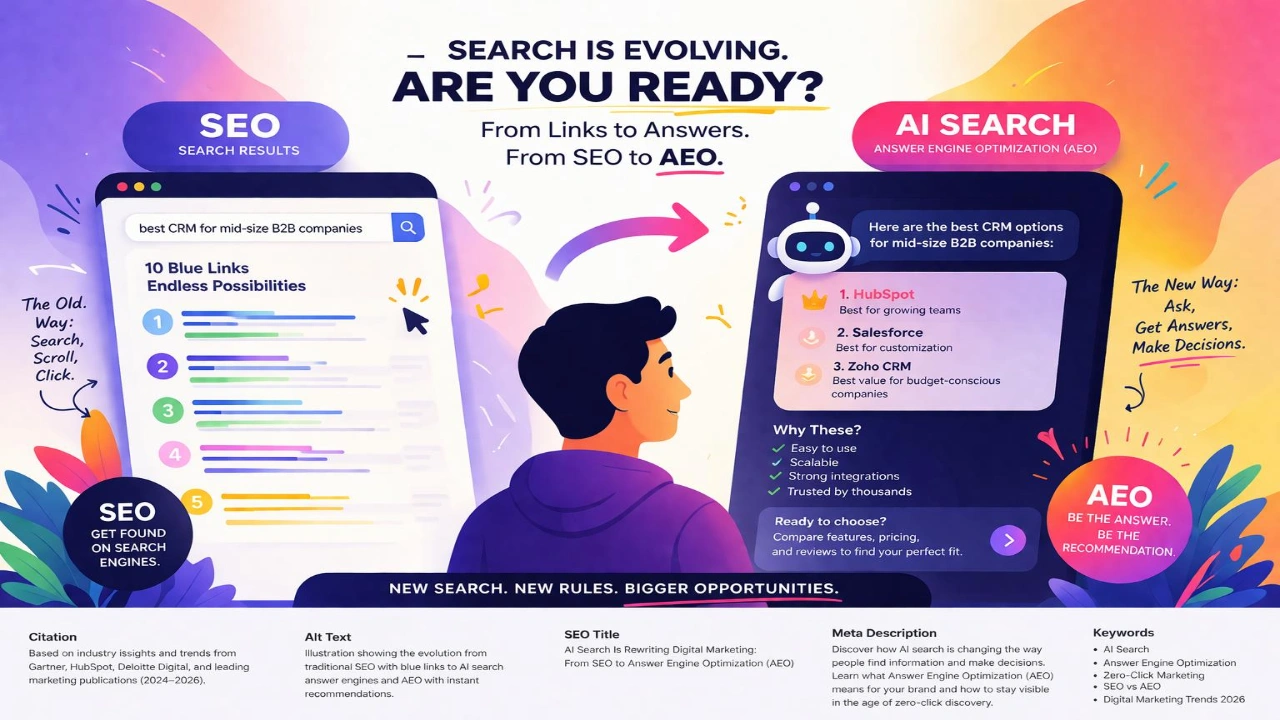
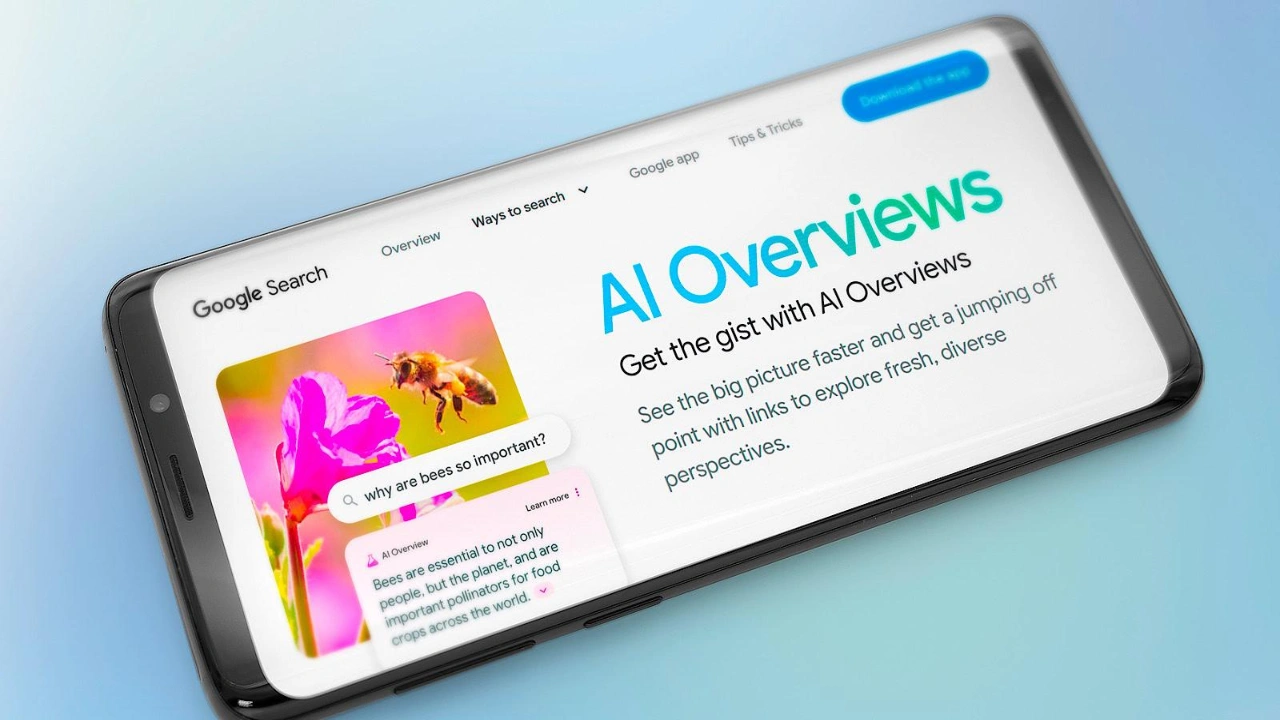
Google now shows AI-generated answers through AI Overviews. ChatGPT, Gemini, Claude, and Perplexity are becoming popular tools for finding information. Instead of clicking through multiple websites, users can often get answers instantly from AI-powered search experiences.
This shift has introduced a new concept called Generative Engine Optimization (GEO).
So, does GEO replace SEO?
Should website owners stop focusing on traditional search optimization?
Or do both strategies work together?
In this guide, you'll learn the difference between GEO vs SEO, how Generative Engine Optimization works, and what website owners should focus on in 2026.
Quick Answer: GEO vs SEO
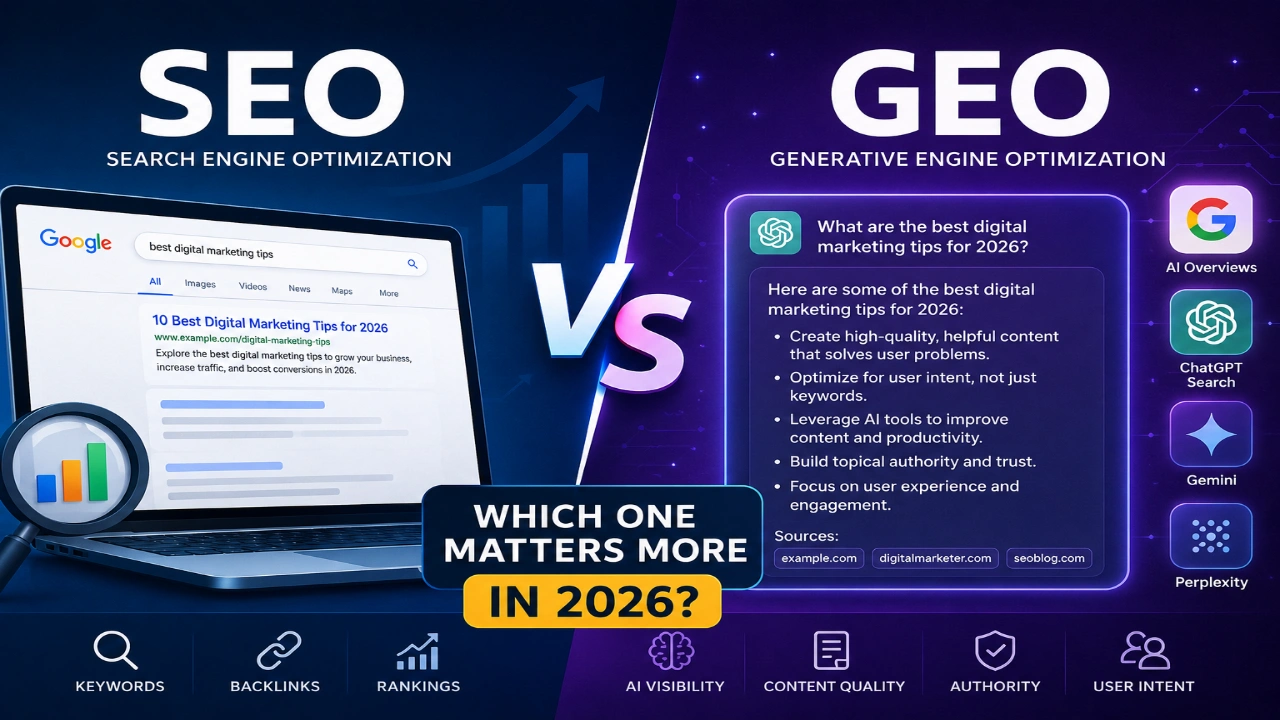
SEO helps your website rank higher in traditional search results.
GEO helps your content become more visible in AI-generated answers from platforms such as ChatGPT, Google AI Overviews, Gemini, Claude, and Perplexity.
The reality is that businesses need both.
SEO remains important for organic search traffic, while GEO helps websites remain visible in AI-driven search experiences.
What Is SEO?
SEO stands for Search Engine Optimization.
It is the process of improving a website so that search engines like Google can understand, index, and rank its pages.
The goal of SEO is simple:
Get your content in front of users when they search for relevant topics.
Traditional SEO includes:
- Keyword research
- On-page optimization
- Internal linking
- Backlink building
- Technical SEO
- Content creation
- User experience improvements
For example, if someone searches: "How much YouTube pays for 1 million views", Google will display search results it believes are most relevant. SEO helps your website compete for those rankings.
Why SEO Became So Important
For nearly two decades, SEO has been one of the most powerful digital marketing strategies.
Unlike paid advertising, SEO can generate traffic without paying for every visitor.
Many websites receive thousands of visitors every month simply because their pages rank well in Google Search.
This has allowed businesses, bloggers, publishers, and creators to build audiences through organic traffic.
However, search behavior is evolving.
What Is GEO?
GEO stands for Generative Engine Optimization.
It refers to optimizing content so it can be discovered, understood, and referenced by AI-powered search systems.
Instead of focusing only on Google's traditional search results, GEO focuses on visibility inside AI-generated answers.
Examples include:
- Google AI Overviews
- ChatGPT Search
- Gemini
- Claude
- Perplexity
When users ask a question, these platforms often generate direct answers instead of simply displaying a list of links. GEO aims to increase the likelihood that your content becomes part of those AI-generated responses.
Why GEO Is Growing So Fast
AI search tools are becoming more popular every year.
Many users now ask questions directly to AI assistants instead of opening Google.
Examples include:
- "What is the best AI tool for students?"
- "How much does YouTube pay for 1 million views?"
- "What is GEO vs SEO?"
Instead of browsing multiple websites, users receive summarized answers immediately. This change means website owners must think beyond traditional rankings. Being referenced by AI systems may become just as important as ranking on Google's first page.
GEO vs SEO: The Biggest Differences
| SEO | GEO |
|---|---|
| Focuses on search engine rankings | Focuses on AI-generated answers |
| Targets Google search results | Targets AI search experiences |
| Relies heavily on keywords | Relies heavily on context and clarity |
| Measures rankings and traffic | Measures citations and AI visibility |
| Optimizes for clicks | Optimizes for answer inclusion |
While these differences are important, GEO and SEO are not competitors. They are complementary strategies.
Does GEO Replace SEO?
No.
This is one of the biggest misconceptions in digital marketing right now. SEO is not disappearing. Google still processes billions of searches every day. Traditional search results continue driving significant traffic to websites.
Even AI-generated answers often rely on content originally discovered through traditional search systems. SEO remains the foundation. GEO simply adds another layer of optimization.
Think of SEO as helping search engines find your content. Think of GEO as helping AI systems understand and reference your content. Both are valuable.
How AI Search Engines Find Content
AI systems don't magically generate information. They learn from publicly available content. They analyze articles, research, documentation, guides, reviews, and educational content.
This means high-quality content still matters. In fact, content quality may matter more than ever. Websites that provide clear, structured, trustworthy information are more likely to be referenced by AI systems.
What Makes Content GEO-Friendly?
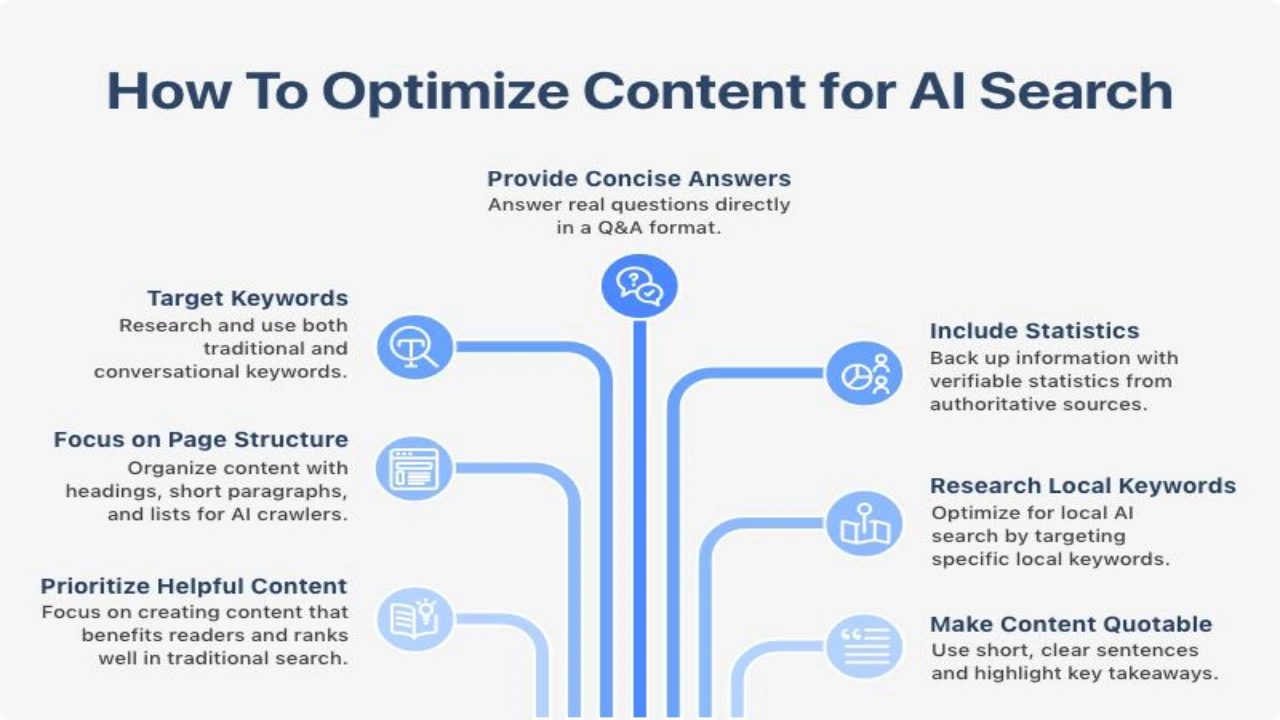
Not all content works equally well for AI search. Certain formats are easier for AI systems to understand.
Clear Headings
Well-structured content helps AI systems identify key topics. Use H1, H2, and H3 headings logically.
Direct Answers
Many AI platforms prefer content that answers questions clearly. Example: Question: What is GEO? Answer: GEO stands for Generative Engine Optimization, a strategy focused on improving visibility in AI-generated search results. Simple and direct.
Tables
Comparison tables work extremely well. AI systems can easily understand structured information.
FAQs
FAQ sections provide concise answers to common questions. This improves both SEO and GEO.
Statistics and Examples
Real examples help build credibility. They also make content more useful for readers.
GEO Strategies That Work in 2026
Create Comprehensive Content
Thin articles are becoming less effective. AI systems prefer detailed content that thoroughly covers a topic.
Answer Real Questions
Focus on actual user intent. Instead of stuffing keywords, solve real problems.
Use Topic Clusters
Create multiple related articles. For example: GEO vs SEO, What Is GEO?, How to Optimize for Google AI Overviews, and ChatGPT Search Optimization Guide. These articles reinforce each other.
Build Topical Authority
AI systems are more likely to trust websites that consistently publish content within a niche. Your AI Tools category is a good example. Publishing multiple high-quality AI-related articles strengthens authority.
Real-World Example
Imagine two websites writing about AI search.
Website A publishes a 500-word article with minimal detail.
Website B publishes a 2,000-word guide with FAQs, examples, comparisons, and practical advice.
Which website is more likely to be referenced by AI systems?
Usually Website B. Comprehensive content tends to perform better in both SEO and GEO.
Will Backlinks Still Matter?
Yes.
Backlinks remain important. They continue helping search engines evaluate authority and trustworthiness. However, content quality is becoming increasingly important. Strong content supported by relevant backlinks remains one of the best combinations.
Common GEO Mistakes
Chasing AI Buzzwords
Some publishers stuff articles with terms like AI, GEO, and ChatGPT without providing real value. This rarely works.
Ignoring SEO
Many people believe GEO replaces SEO. It doesn't. Strong SEO fundamentals still matter.
Publishing Thin Content
Short, low-value articles struggle in both traditional search and AI search.
Frequently Asked Questions
What is GEO?
GEO stands for Generative Engine Optimization. It focuses on improving visibility in AI-generated search results.
What is the difference between GEO and SEO?
SEO focuses on ranking in traditional search results, while GEO focuses on appearing in AI-generated answers.
Does GEO replace SEO?
No. Both strategies work together and remain important.
Can small websites benefit from GEO?
Yes. Smaller websites can gain visibility if they publish useful, well-structured content.
Is GEO important in 2026?
Yes. As AI search grows, GEO is becoming an increasingly important part of digital marketing.
Final Thoughts
The debate around GEO vs SEO often creates the impression that website owners must choose one strategy over the other. In reality, the smartest approach is combining both.
SEO continues helping websites rank in traditional search engines. GEO helps content remain visible in AI-powered search experiences.
The websites most likely to succeed in 2026 will be those that create useful, trustworthy, well-structured content optimized for both humans and AI systems.
Instead of asking whether SEO is dead, the better question is: How can you create content that performs well in both search engines and AI-generated answers? That's where the future of digital marketing is heading.
Also Read:- How Much Youtube Pays For 1 Million Views
What Is Claude Code? Complete Beginner Guide to Anthropic’s AI Tool (2026)
May 14, 2026
Claude 5 for Coding Review 2026: Is It Better Than ChatGPT?
June 12, 2026
YouTube Automation 2026: Complete Guide to Start a Faceless Channel & Earn $500/Month
April 19, 2026
💬 Comments
No approved comments yet. Be the first to share your thoughts!
Leave a Comment
Your email address will not be published. Required fields are marked *