
YouTube Auto Dubbing Explained: How It Works and Why Creators Are Using It
📌 In This Article
- What Is YouTube Auto Dubbing?
- Why YouTube Introduced Auto Dubbing
- Viewers
- Creators
- YouTube
- How YouTube Auto Dubbing Works
- Step 1: Speech Recognition
- Step 2: Translation
- Step 3: Voice Synthesis
- Step 4: Audio Track Creation
- Languages Supported by YouTube Auto Dubbing
- Benefits of YouTube Auto Dubbing
- Reach Global Audiences
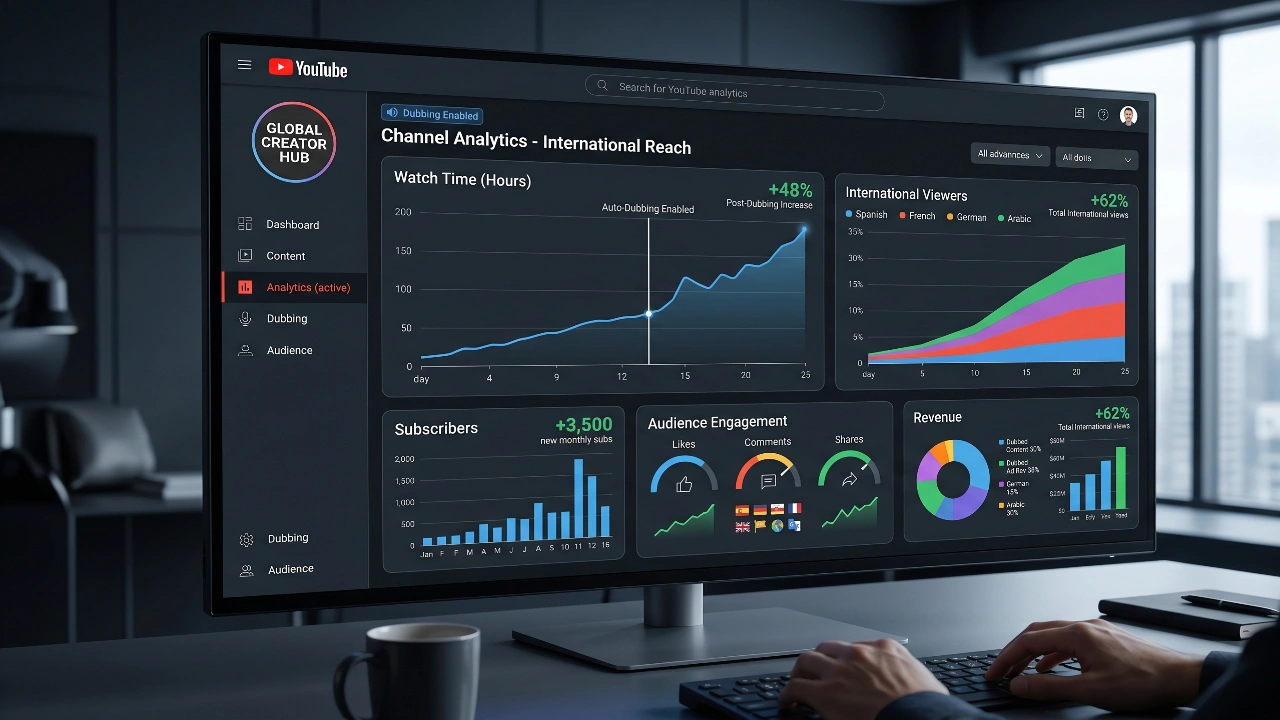
- Increased Watch Time
- Better User Experience
- Scalability
- Content Longevity
- Which Creators Benefit Most?
- Educational Channels
- Technology Channels
- Business and Marketing Channels
- Personal Development Channels
- Documentary and Knowledge-Based Channels
- Limitations of YouTube Auto Dubbing
- Translation Accuracy
- Cultural Context
- Voice Naturalness
- Technical Terminology
- Can Auto Dubbing Help You Grow Faster?
- Best Practices for Using YouTube Auto Dubbing
- Speak Clearly
- Use Simple Language
- Review Important Videos
- Create Universal Content
- YouTube Auto Dubbing vs Manual Dubbing
- Auto Dubbing Advantages
- Manual Dubbing Advantages
- Which Option Is Better?
- How Auto Dubbing Impacts YouTube SEO
- The Future of AI Dubbing on YouTube
- Voice Cloning
- Emotional Expression
- Better Translation Accuracy
- More Supported Languages
- Real-Time Localization
- Real-World Example: Why Auto Dubbing Matters
- Common Questions About YouTube Auto Dubbing
- Is YouTube Auto Dubbing Free?
- Can Viewers Turn Off Auto Dubbed Audio?
- Does Auto Dubbing Work for All Videos?
- Is Auto Dubbing Better Than Subtitles?
- Key Takeaways
- Frequently Asked Questions
- What is YouTube Auto Dubbing?
- How does YouTube Auto Dubbing work?
- Can I disable auto dubbing on YouTube?
- Will Auto Dubbing help my YouTube channel grow?
- Conclusion
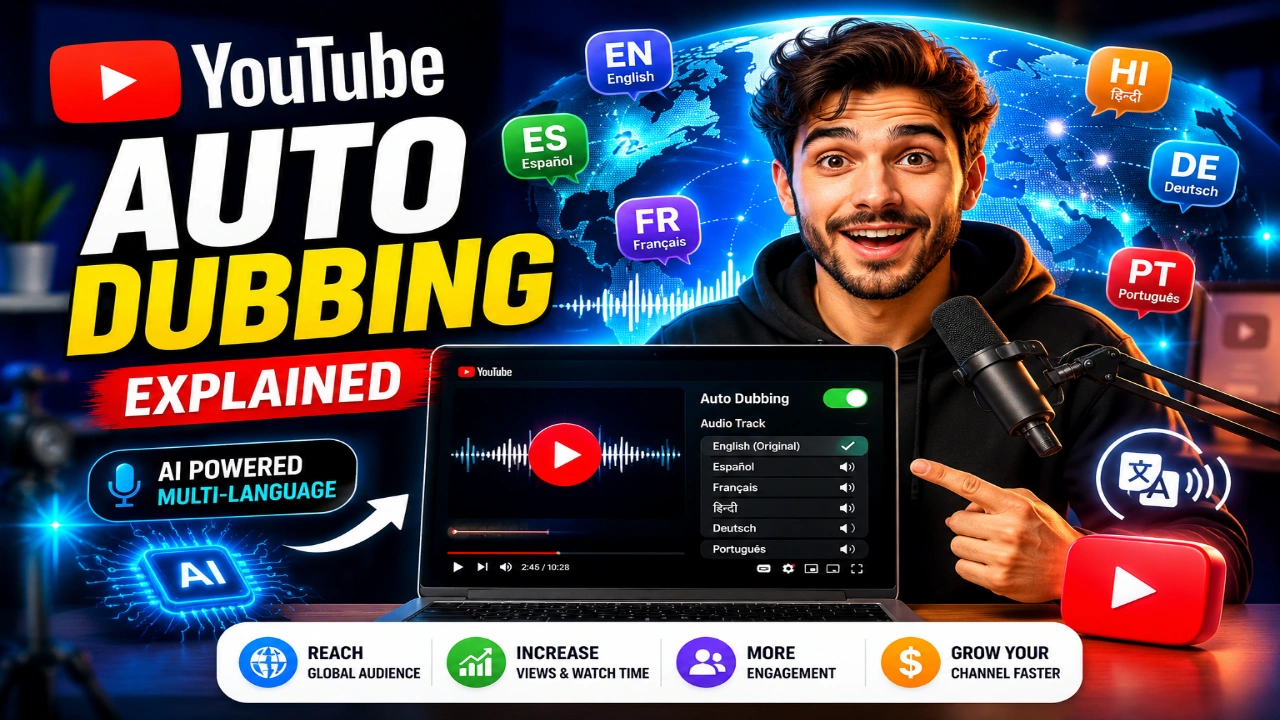
Growing a YouTube channel used to mean focusing on a single language and hoping viewers from other countries would discover your content. Today, that approach is changing rapidly thanks to YouTube auto dubbing
This AI-powered feature allows creators to make their videos accessible to viewers in multiple languages without recording separate voiceovers for every audience. For many channels, this means reaching millions of potential viewers who previously couldn't understand their content.
As YouTube continues investing in AI-powered creator tools, auto dubbing has become one of the platform's most talked-about features. Some creators are seeing international views increase significantly, while others are still learning how the technology works and where it performs best.
In this guide, you'll learn exactly what YouTube auto dubbing is, how it works, its advantages, limitations, and whether it can help grow your channel in 2026 and beyond.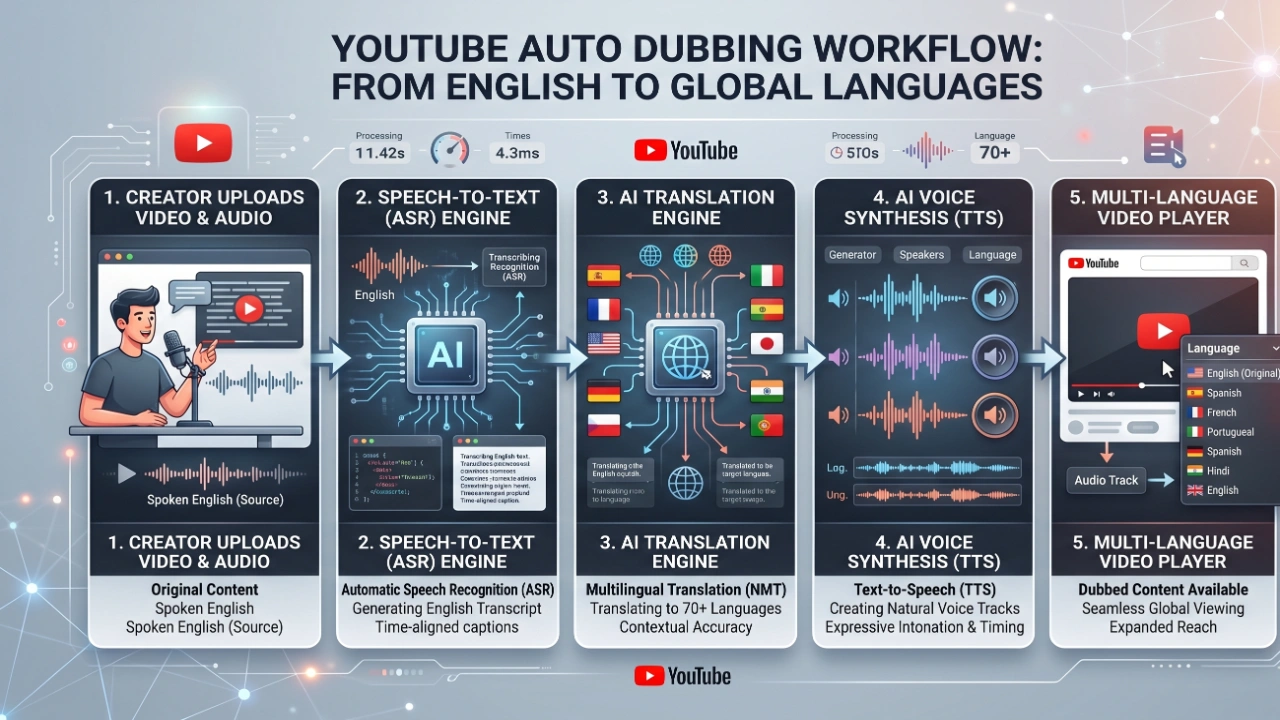
What Is YouTube Auto Dubbing?
YouTube Auto Dubbing is an AI-powered feature that automatically translates and generates dubbed audio tracks for videos.
Instead of manually hiring voice actors or recording content in multiple languages, creators can allow YouTube's AI systems to create translated audio tracks automatically.
The goal is simple:
- Expand audience reach
- Improve accessibility
- Increase international watch time
- Help viewers consume content in their preferred language
For years, subtitles were the primary solution for multilingual audiences. Auto dubbing goes a step further by allowing viewers to actually hear translated speech rather than reading captions.
This creates a more natural viewing experience and makes content accessible to audiences who prefer listening over reading.
Why YouTube Introduced Auto Dubbing
The platform serves billions of viewers across hundreds of countries. One major challenge has always been language barriers.
Consider a creator making high-quality educational content in English. Their videos may be valuable to audiences in Spain, Germany, Brazil, France, Indonesia, and Japan.
However, language limitations prevent many viewers from fully engaging with the content. YouTube introduced auto dubbing YouTube features to solve this problem.
The platform's objective is straightforward: Help great content reach more people regardless of language.
This benefits:
Viewers
Viewers can consume information in their preferred language.
Creators
Creators can access entirely new markets.
YouTube
YouTube increases engagement, watch time, and user satisfaction.
 How YouTube Auto Dubbing Works
The process involves several AI systems working together.
Step 1: Speech Recognition
The AI listens to the original video and converts speech into text.
Step 2: Translation
The text is translated into supported languages.
Step 3: Voice Synthesis
AI-generated speech is created in the target language.
Step 4: Audio Track Creation
The translated audio becomes a separate track attached to the video.
Viewers can then switch languages depending on availability. This process is often referred to as video dubbing powered by artificial intelligence. Unlike traditional dubbing, the entire workflow can happen automatically.
Languages Supported by YouTube Auto Dubbing
Supported languages continue expanding as YouTube improves the feature. Depending on creator eligibility and platform updates, videos may be translated into languages such as:
- Spanish
- French
- German
- Portuguese
- Italian
- Japanese
- Hindi
- Indonesian
The list continues to grow as YouTube expands its multilingual capabilities. For creators targeting global audiences, this creates opportunities that previously required significant budgets.
Benefits of YouTube Auto Dubbing
Reach Global Audiences
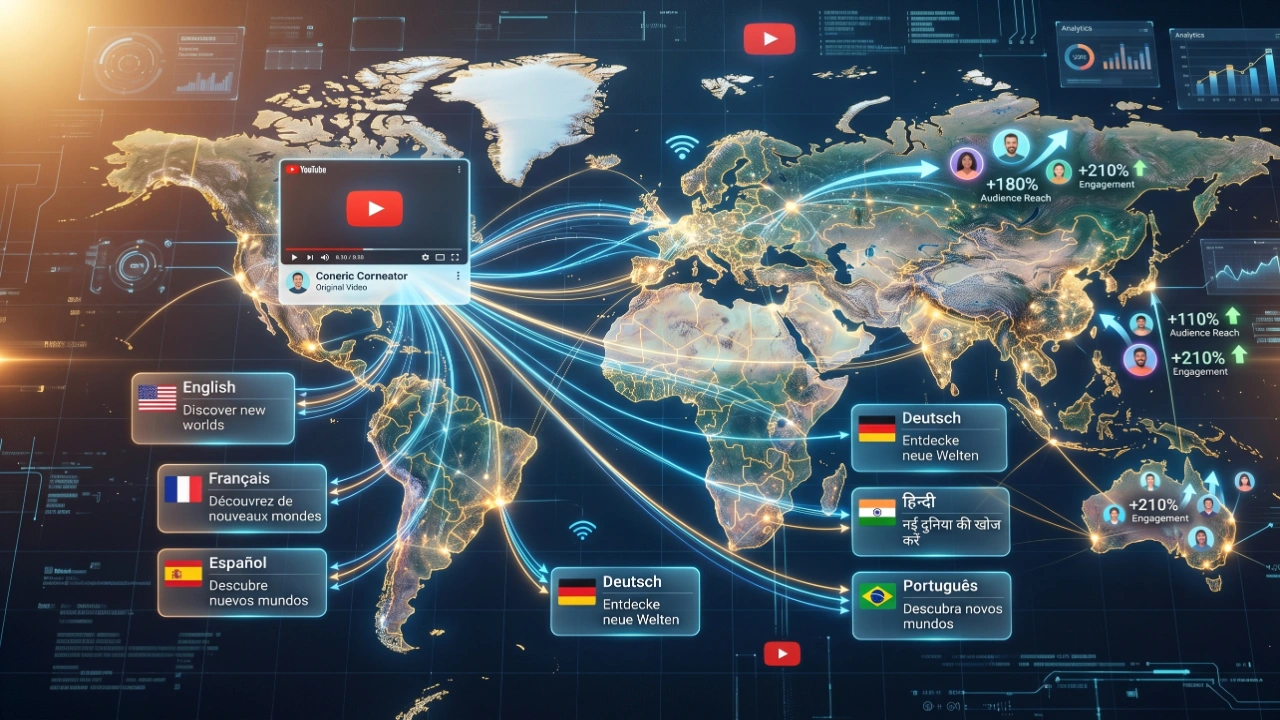
One of the biggest advantages is international discoverability. A creator based in the United States can potentially reach viewers in Latin America, Europe, and Asia without creating separate versions of the same content.
Increased Watch Time
Viewers are more likely to watch videos longer when they can understand them naturally. This may positively influence audience retention.
Better User Experience
Reading subtitles works, but listening is often easier. Dubbing reduces friction and creates a more comfortable viewing experience.
Scalability
Traditional dubbing can be expensive. AI-powered YouTube dubbing dramatically reduces costs and effort.
Content Longevity
Older videos can continue attracting new viewers from different countries long after publication. A video published months or years ago can suddenly become relevant to entirely new audiences.
Which Creators Benefit Most?
Not every channel gains equally from auto dubbing. The biggest winners tend to be:
Educational Channels
Tutorials, lessons, and guides often translate well across languages.
Technology Channels
Tech content frequently attracts international audiences.
Business and Marketing Channels
Many business concepts have universal appeal.
Personal Development Channels
Self-improvement content performs well globally.
Documentary and Knowledge-Based Channels
Information-rich content often benefits significantly from multilingual accessibility.
On the other hand, channels that rely heavily on wordplay, local humor, or cultural references may face greater translation challenges.
 Limitations of YouTube Auto Dubbing
Although the technology is impressive, it isn't perfect.
Translation Accuracy
Complex phrases may occasionally be translated incorrectly.
Cultural Context
AI may struggle with slang, regional expressions, idioms, and humor.
Voice Naturalness
Modern AI voices sound increasingly realistic, but they may not always capture the emotion and personality of the original speaker.
Technical Terminology
Specialized topics sometimes require manual review to ensure accuracy. Creators should periodically review translated versions when possible.
Can Auto Dubbing Help You Grow Faster?
The short answer is: potentially, yes. However, auto dubbing is not a magic growth button. Channels still need high-quality content, strong thumbnails, engaging titles, and consistent publishing.
What auto dubbing does is remove a major barrier that prevents international audiences from consuming your content. For some creators, this can lead to more views, increased watch time, and new subscribers. When combined with good content strategy, the feature can become a powerful growth tool.
Best Practices for Using YouTube Auto Dubbing
Many creators assume that enabling YouTube Auto Dubbing is enough to reach international audiences. In reality, the best results come when creators optimize their content for multilingual viewers from the start.
Speak Clearly
Clear pronunciation helps YouTube's speech recognition system generate more accurate translations. Avoid speaking too quickly or talking over background music.
Use Simple Language
Simple language generally translates better than highly complex sentences. This means communicating ideas clearly and directly.
Review Important Videos
If a video is driving significant traffic, it's worth reviewing translated versions to identify possible errors. Even advanced AI systems can occasionally misunderstand context.
Create Universal Content
Some topics naturally appeal to international audiences, such as technology, education, productivity, business, and health and wellness. These categories often benefit most from YouTube dubbing.
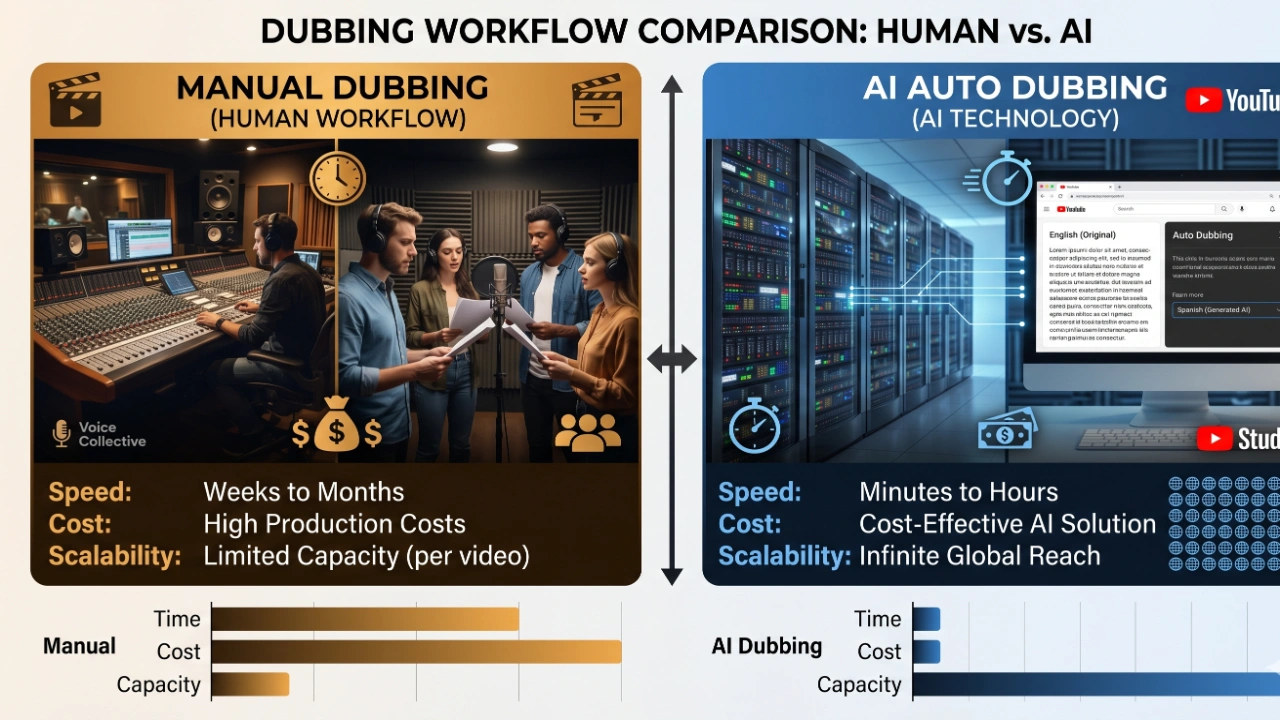 YouTube Auto Dubbing vs Manual Dubbing
Many creators wonder whether AI-generated dubbing can replace professional voice actors.
Auto Dubbing Advantages
- Faster deployment
- Lower costs
- Scalable across many languages
- Easy implementation
Manual Dubbing Advantages
- Better emotional delivery
- Improved cultural adaptation
- Higher accuracy
- Stronger brand consistency
Which Option Is Better?
For most creators, YouTube Auto Dubbing is the practical starting point. Large brands may still prefer manual dubbing for flagship content, but independent creators can benefit enormously from AI-powered video dubbing.
How Auto Dubbing Impacts YouTube SEO
Most creators think of SEO as keywords and descriptions. However, YouTube's algorithm also evaluates viewer behavior. When multilingual audiences can understand content more easily, creators may experience higher watch time and better retention.
These signals can improve overall channel performance. Auto dubbing itself is not a direct ranking factor, but the audience engagement it creates can positively influence video visibility.
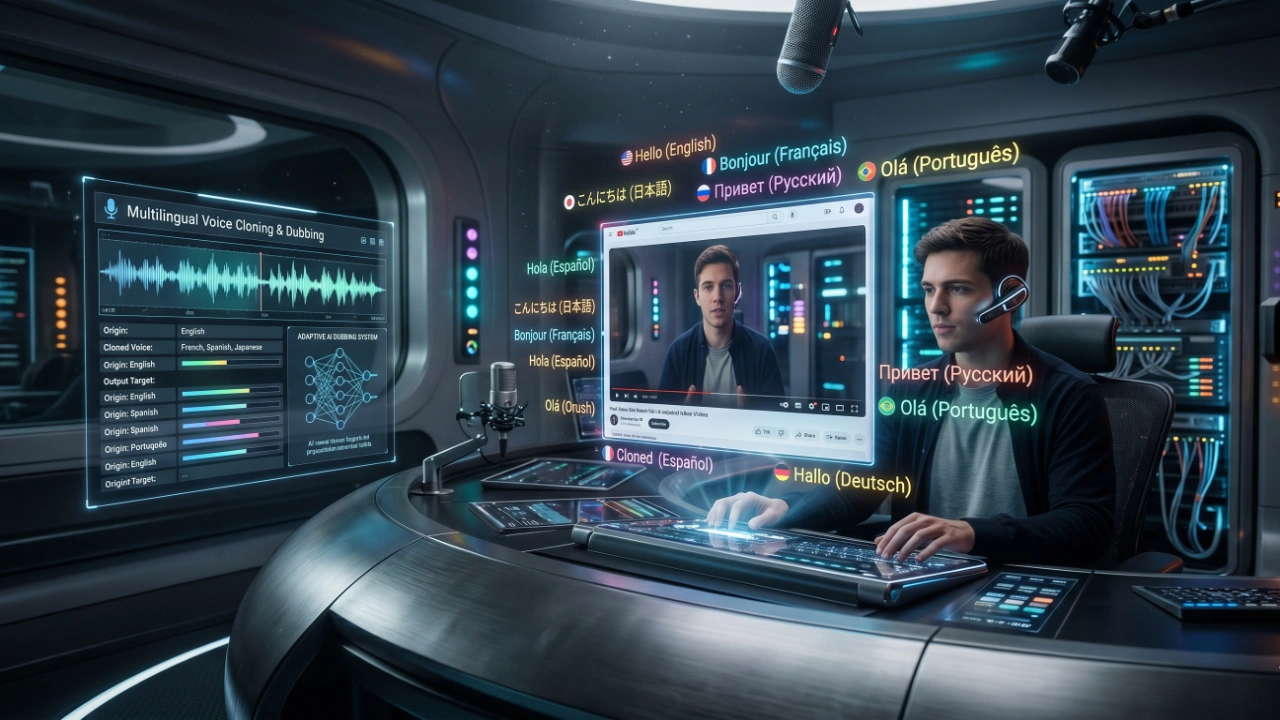 The Future of AI Dubbing on YouTube
Current AI dubbing technology is impressive, but it is still evolving. Experts expect future improvements in:
Voice Cloning
Future systems may preserve more of the creator's original vocal style.
Emotional Expression
AI voices will likely become more expressive and natural.
Better Translation Accuracy
Advanced language models are expected to improve contextual understanding.
More Supported Languages
YouTube will likely continue expanding language availability.
Real-Time Localization
Future systems may offer even faster multilingual publishing workflows.
Real-World Example: Why Auto Dubbing Matters
Imagine a creator with 100,000 subscribers and English-only content. Without dubbing, their audience is largely limited to English speakers. With YouTube Auto Dubbing, Spanish-speaking viewers, German viewers, and Portuguese viewers can suddenly listen in their own languages. The content becomes relevant to millions of additional viewers.
Common Questions About YouTube Auto Dubbing
Is YouTube Auto Dubbing Free?
For eligible creators, YouTube Auto Dubbing is integrated into the platform and does not require purchasing separate software.
Can Viewers Turn Off Auto Dubbed Audio?
Yes. Viewers can typically switch audio tracks when multiple language options are available. This is why users search for terms like how to turn off auto dub YouTube.
Does Auto Dubbing Work for All Videos?
Availability depends on creator eligibility, language support, and YouTube's rollout status.
Is Auto Dubbing Better Than Subtitles?
They serve different purposes. Subtitles help viewers read translations, while dubbing allows viewers to listen naturally. Many viewers prefer dubbed content because it requires less effort.
Key Takeaways
If you're a creator trying to grow internationally, YouTube Auto Dubbing deserves serious attention. The feature can help reach global audiences, increase watch time, and reduce language barriers. While not perfect, the technology is improving rapidly and already provides significant value.
Frequently Asked Questions
What is YouTube Auto Dubbing?
YouTube Auto Dubbing is an AI-powered feature that automatically translates and generates dubbed audio tracks for videos.
How does YouTube Auto Dubbing work?
The system converts speech into text, translates it, generates synthetic speech, and creates a new audio track.
Can I disable auto dubbing on YouTube?
Yes. Depending on device settings, viewers can switch audio tracks or select the original language version.
Will Auto Dubbing help my YouTube channel grow?
It can help expand your reach to international audiences and potentially increase engagement when used with high-quality content.
Conclusion
YouTube Auto Dubbing represents a major shift in how creators connect with audiences around the world. What once required expensive translation teams can now be accomplished through AI-powered tools built directly into the platform.
For creators focused on long-term growth, multilingual accessibility is no longer a luxury—it's becoming a competitive advantage. As YouTube continues improving its technology, channels that embrace these tools early may be better positioned to build stronger global communities.
YouTube’s New AI Update 2026 Changes Shorts, Monetization & AI Content Rules
May 12, 2026
YouTube AI Deepfake Detection Update 2026: What Creators Should Know
May 16, 2026
YouTube Automation 2026: Complete Guide to Start a Faceless Channel & Earn $500/Month
April 19, 2026
💬 Comments
No approved comments yet. Be the first to share your thoughts!
Leave a Comment
Your email address will not be published. Required fields are marked *