
World Cup 2026: Your Ultimate Guide to the Biggest Soccer Tournament in History
📌 In This Article
- The Massive Expansion: 48 Teams and 104 Matches
- How the New Group Stage Works
- Three Hosts, One Continent: The Logistics Challenge
- The Venue Highlights
- Watching the Games: Time Zones and Schedules
- The Heat Factor and Player Safety
- The Economic Impact: More Than Just a Game
- Key Issues Set to Dominate the Narrative
- FAQ: Everything You’re Asking About World Cup 2026
- When does the World Cup 2026 start?
- How many teams are in the 2026 World Cup?
- Where will the 2026 World Cup final be played?
- Can I buy tickets now?
- How will the travel work between countries?
- Is the format changing for the groups?
- Final Thoughts for the Fans
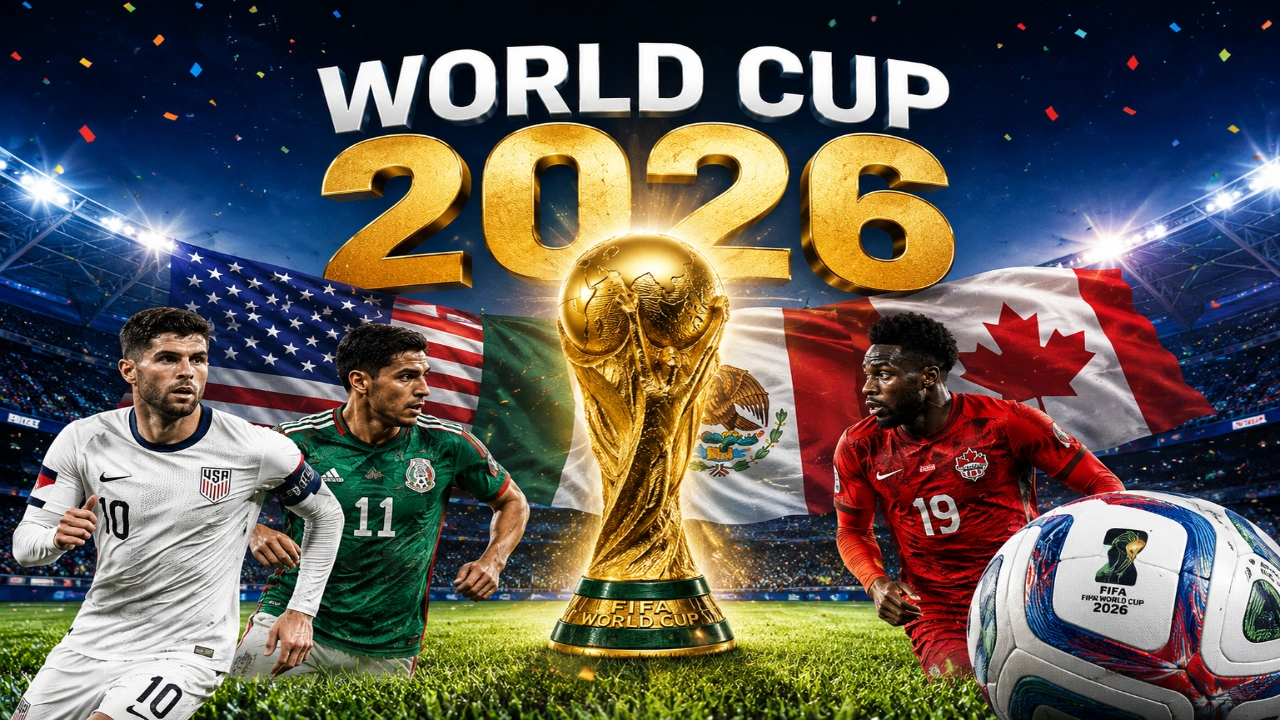
The FIFA World Cup is no longer just a month of soccer; it’s a global takeover. With the 2026 edition fast approaching, the buzz is already hitting fever pitch. This isn't your standard tournament. For the first time ever, we are looking at a massive 48-team field spread across three different countries: the USA, Canada, and Mexico.
If you think you know the World Cup, think again. The scale of this event is unprecedented, and the logistics alone are enough to make your head spin. From time zone headaches to a brand-new knockout round, there is a lot to wrap your head around before the first whistle blows. Let’s break down what makes this tournament different and why it’s going to be the most talked-about sporting event of the decade.
The Massive Expansion: 48 Teams and 104 Matches
For decades, the 32-team format felt like the perfect balance. It was easy to follow, the groups were tidy, and the path to the trophy was clear. FIFA decided to blow that up. By expanding to 48 teams, they’ve opened the door for nations that have historically missed out on the big stage. While critics argue this might dilute the quality of play in the early stages, it undeniably brings more eyes and more passion to the tournament.
Instead of the usual 64 matches, we are now looking at a staggering 104 matches. This means more soccer for fans, but it also means a much longer tournament. Players will be pushed to their physical limits, and fans will have to pace themselves through a schedule that spans nearly six weeks.
How the New Group Stage Works
There was a lot of back-and-forth about how to organize 48 teams. Initially, FIFA suggested groups of three, but fans and pundits quickly pointed out that this could lead to collusion in the final group games. Thankfully, they listened. The 2026 World Cup will feature 12 groups of four teams each.
The top two teams from each group will advance, along with the eight best third-place finishers. This leads into a new Round of 32, adding an extra layer of knockout drama before we even get to the traditional Round of 16. It’s a marathon, not a sprint.
Three Hosts, One Continent: The Logistics Challenge
Hosting a World Cup in one country is hard enough. Hosting it across the vast expanse of North America is a different beast entirely. We are talking about matches in Vancouver, New York City, and Mexico City—locations that are thousands of miles apart.

Travel is going to be the single biggest talking point for teams. A team could realistically play a game in the humid heat of Miami and then have to fly five hours to the cooler climates of Seattle for their next fixture. FIFA has attempted to mitigate this by grouping matches into regional clusters (West, Central, and East), but the physical toll on players remains a significant concern.
The Venue Highlights
While 16 cities are hosting games, a few stand out as the crown jewels of the tournament:
- MetLife Stadium (New York/New Jersey): Officially selected to host the Final. It’s a massive stage for the world’s biggest game.
- Estadio Azteca (Mexico City): A cathedral of soccer. It will become the first stadium to host matches in three different World Cups (1970, 1986, and 2026).
- BC Place (Vancouver) and BMO Field (Toronto): Canada’s chance to show the world their growing passion for the sport.
- AT&T Stadium (Dallas): Rumored to host a massive chunk of the knockout stage matches due to its central location and retractable roof.
Watching the Games: Time Zones and Schedules
If you are a fan living in Europe, Africa, or Asia, you might want to start stocking up on coffee now. Because the tournament is centered in North America, kickoff times will follow the local time zones of the host cities. For viewers in London, a late-night game in Los Angeles might start at 3:00 AM.
FIFA and broadcasters are working to schedule "prime" matches for global audiences, but the reality is that someone, somewhere, is going to be losing sleep. Al Jazeera recently highlighted that the 2026 schedule is designed to maximize television revenue, which often means staggered starts that cover the entire day. For those in the US, Canada, and Mexico, it’s a dream—games will be on from lunch until late at night.
The Heat Factor and Player Safety
One issue that hasn't received enough attention yet is the summer weather. While the 2022 World Cup in Qatar was moved to the winter to avoid extreme temperatures, 2026 returns to the traditional June/July slot.
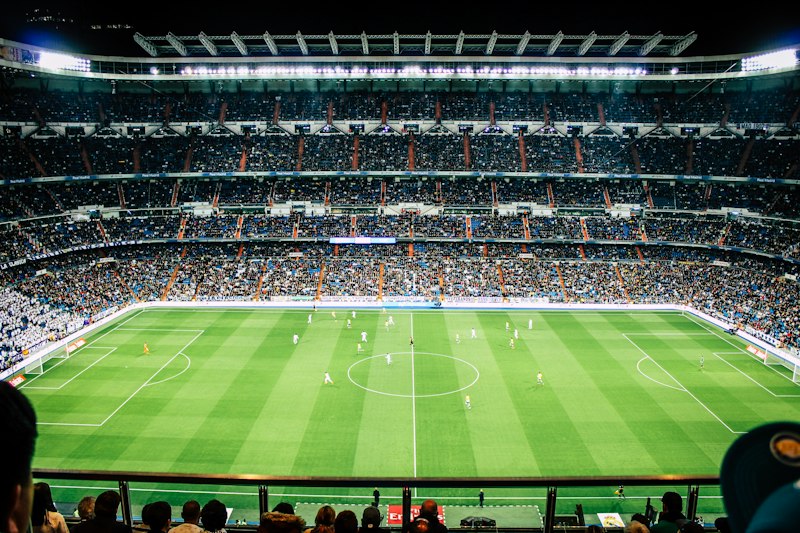
Parts of the US and Mexico can see temperatures well above 100°F (38°C) in the summer. Stadiums like the one in Houston or Dallas have climate control, but many others do not. This will undoubtedly impact the pace of the games. Expect to see more water breaks and potentially slower, more tactical matches as players try to manage their energy levels in the punishing heat.
The Economic Impact: More Than Just a Game
This tournament is expected to be a financial juggernaut. With more teams and more games, ticket sales and tourism are projected to hit record highs. For host cities, this is a chance to revitalize infrastructure and boost local economies. However, it also brings challenges like rising hotel prices and the strain on public transportation systems that aren't always designed for millions of visitors.
Sky Sports notes that the "fan experience" is being prioritized with massive fan zones in every host city. Even if you don't have a ticket to a match, the atmosphere in cities like Atlanta, Kansas City, and Monterrey will be electric.
Key Issues Set to Dominate the Narrative
As we get closer to the opening ceremony, several storylines are starting to emerge:
- The Performance of the Hosts: Can the USMNT, Canada, and Mexico actually compete for the trophy on home soil?
- The 48-Team Quality Control: Will the group stages be exciting, or will we see too many lopsided scores?
- The Travel Burden: Which teams will handle the cross-continental flights the best?
- Off-Field Logistics: Will the visa processes and border crossings between the three nations be seamless for traveling fans?
FAQ: Everything You’re Asking About World Cup 2026
When does the World Cup 2026 start?
The tournament is scheduled to begin on June 11, 2026, at the iconic Estadio Azteca in Mexico City.
How many teams are in the 2026 World Cup?
There will be 48 teams, an increase from the 32 teams we saw in previous tournaments since 1998.
Where will the 2026 World Cup final be played?
The final will take place on July 19, 2026, at MetLife Stadium in East Rutherford, New Jersey (near New York City).
Can I buy tickets now?
Official tickets aren't on sale just yet. FIFA usually opens the ticket application portal about 12 to 18 months before the tournament. You can register your interest on the official FIFA website to get alerts.
How will the travel work between countries?
Fans and teams will move between the US, Canada, and Mexico. While there are three host nations, the majority of the games (60 out of 104) will be played in the United States, including all matches from the quarter-finals onwards.
Is the format changing for the groups?
Yes. There will be 12 groups of four teams. The top two from each group and the eight best third-place teams will move into a new Round of 32 knockout stage.
Final Thoughts for the Fans
The 2026 World Cup is going to be a spectacle of sheer scale. Whether you’re a die-hard supporter or a casual viewer who only watches every four years, the North American expansion is going to change the way we experience the beautiful game. The distances are long, the heat will be intense, and the bracket is bigger than ever, but the passion remains the same. Start planning your watch parties now—this is going to be one for the history books.
Is the Facebook or Insta Server Down Today? What You Need to Know About the Meta Outage
June 12, 2026
Easypaisa Services Unavailable in Pakistan: Why the App is Down and What You Can Do
June 12, 2026
YouTube Automation 2026: Complete Guide to Start a Faceless Channel & Earn $500/Month
April 19, 2026
💬 Comments
No approved comments yet. Be the first to share your thoughts!
Leave a Comment
Your email address will not be published. Required fields are marked *