
Muharram 2026 - Dates, Islamic Significance & Observances Guide
📌 In This Article▼
- Quick Facts: Muharram 2026
- When is Muharram 2026?
- Important Note on Dates
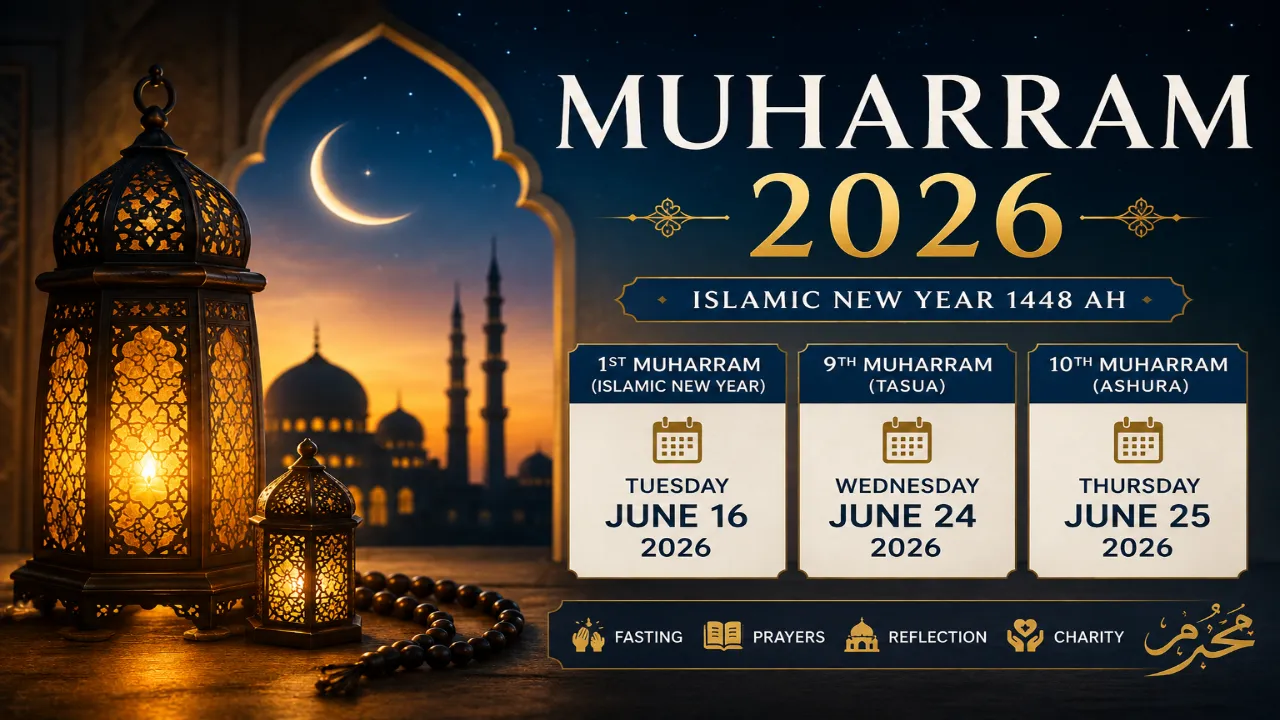
- Key Dates: Muharram 2026
- 1st Muharram (Islamic New Year)
- 9th Muharram (Tasua)
- 10th Muharram (Ashura)
- What is Ashura? (10th Muharram)
- Historical Significance
- Why Ashura Matters
- How Muslims Observe Muharram 2026
- Fasting (Most Important Practice)
- For Shia Muslims
- For Sunni Muslims
- General Observances (All Muslims)
- Muharram 2026 Calendar
- Understanding the Islamic Calendar
- Islamic Calendar (Hijri Calendar)
- Gregorian Calendar
- Why Dates Shift
- Fasting in Muharram: Complete Guide
- Is Fasting Obligatory?
- Who Should Fast?
- How to Fast
- Expected Benefits
- FAQ: Muharram 2026
- Preparing for Muharram 2026
- Spiritual Preparation
- Practical Preparation
- Health Preparation
- Community Preparation
- Health Tips for Fasting in Muharram
- Before Fasting
- During Fast
- When Breaking Fast
- Overall Wellness
- Key Takeaways About Muharram 2026
- Final Thoughts
Muharram 2026 is coming. It's the first month of the Islamic calendar—a sacred time for spiritual reflection, fasting, and remembrance.
If you want to know the exact dates, when Ashura falls, or how to observe Muharram, you're in the right place.
This guide covers everything about Muharram 2026 with accurate dates, significance, and observances.
Quick Facts: Muharram 2026
| Detail | Date/Information |
|---|---|
| 1st Muharram (Islamic New Year) 2026 | Tuesday, June 16, 2026 |
| 9th Muharram (Tasua) 2026 | Wednesday, June 24, 2026 |
| 10th Muharram (Ashura) 2026 | Thursday, June 25, 2026 |
| 30th Muharram (Month Ends) | ~July 15, 2026 |
| Islamic Year | 1448 AH |
| Calendar Type | Lunar (Hijri) |
| Month Duration | 29-30 days |
| Meaning | "Forbidden" or "Sacred" |
When is Muharram 2026?
Muharram 2026 starts on Tuesday, June 16, 2026 and marks the beginning of Islamic Year 1448 AH.
The month will end around July 15, 2026.
Important Note on Dates
The Islamic calendar is lunar-based. While these dates are calculated astronomically, they are subject to local moon sightings.
Dates may vary by 1-2 days depending on your region:
- Some regions may observe June 16
- Other regions may observe June 17
For official confirmation in Pakistan: Check announcements from the Central Ruet-e-Hilal Committee
For other regions: Contact your local Islamic center or mosque for the exact start date.
Key Dates: Muharram 2026
1st Muharram (Islamic New Year)
Date: Tuesday, June 16, 2026
This marks the beginning of Islamic Year 1448 AH. Muslims around the world recognize this day as the start of a new Islamic year—a time for spiritual reflection and setting intentions.
9th Muharram (Tasua)
Date: Wednesday, June 24, 2026
Tasua is the 9th day of Muharram. Many Muslims fast on this day as recommended practice. It's a day of preparation before Ashura.
10th Muharram (Ashura)
Date: Thursday, June 25, 2026
Ashura is the most significant day of Muharram. It commemorates important events in Islamic history and is observed across Muslim communities with fasting, prayers, and reflection.
What is Ashura? (10th Muharram)
The 10th of Muharram is called Ashura (or Yawm al-Ashura). It's the most important day of the month.
Historical Significance
Before Islam: Even in pre-Islamic Arabia, the 10th of Muharram was observed as a sacred day. Prophet Musa (Moses) and his people were saved from Pharaoh on this day.
In Islamic History: Prophet Muhammad continued the practice of fasting on this day, recognizing its spiritual importance.
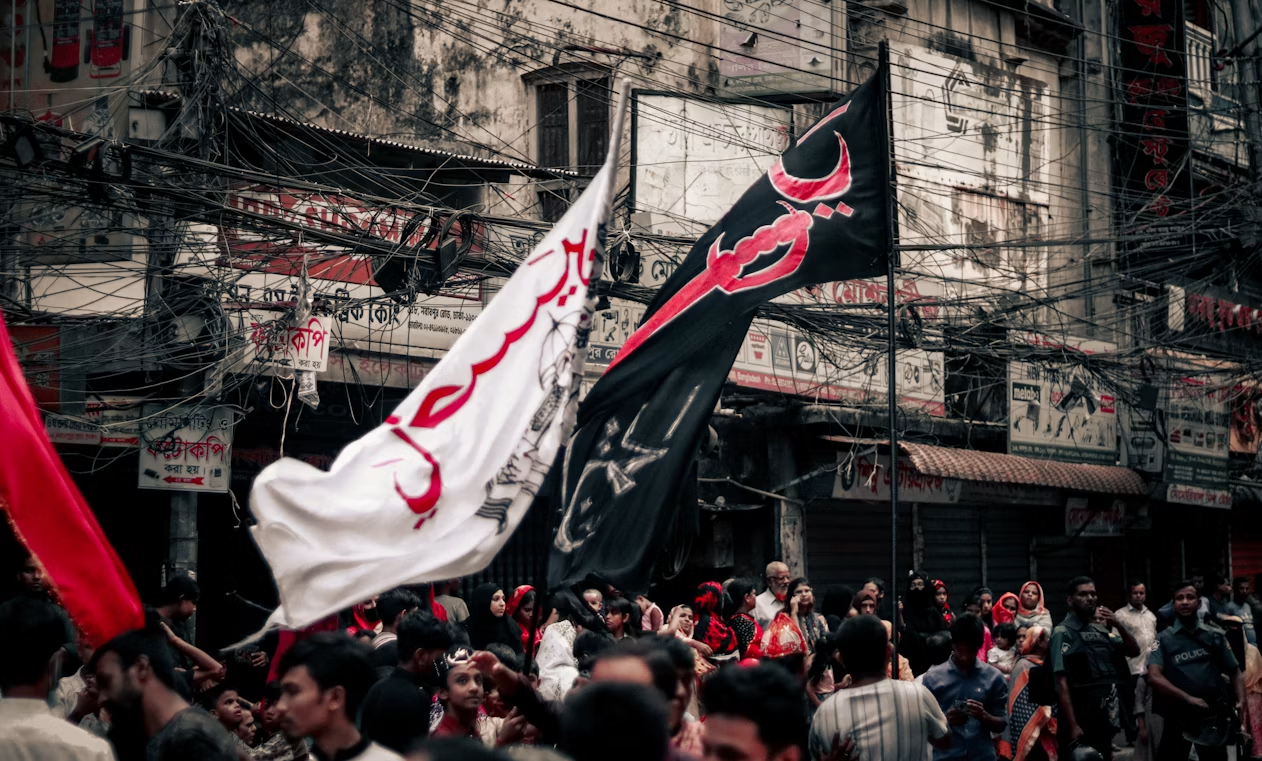
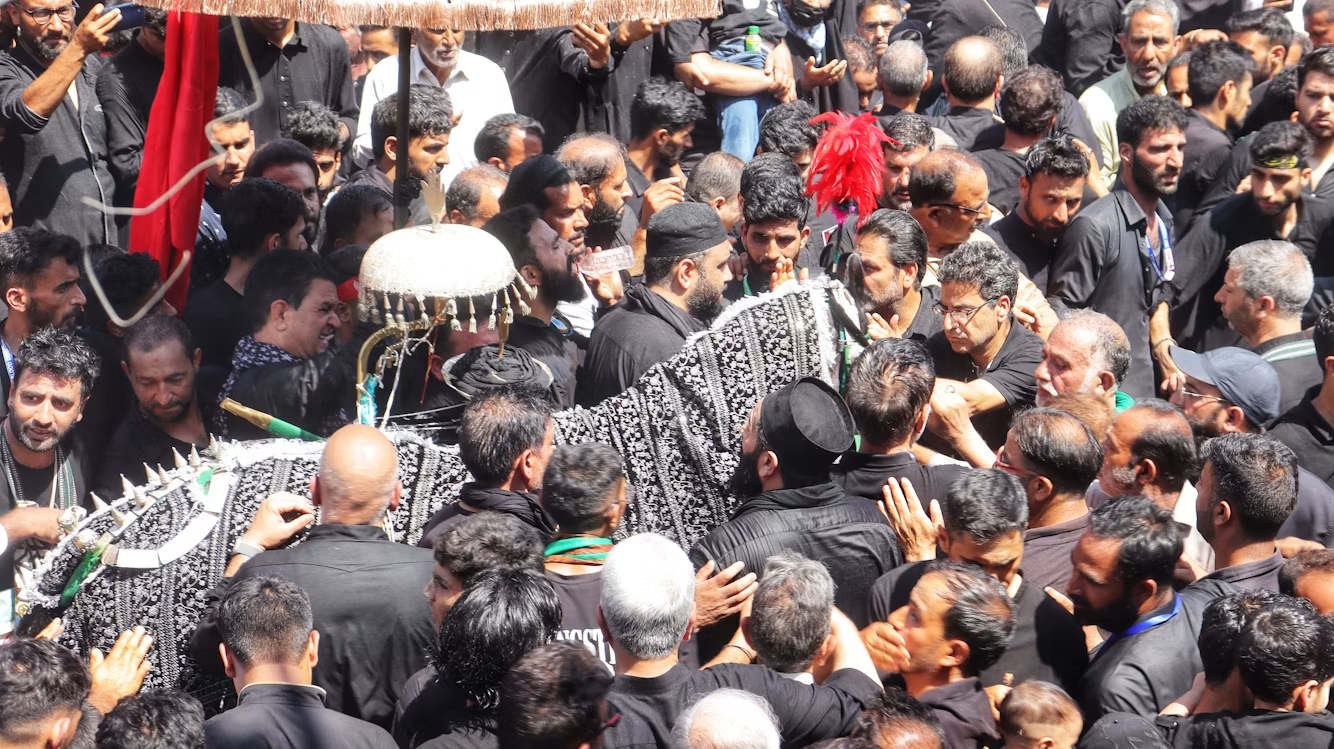
For Shia Muslims: Ashura commemorates the martyrdom of Imam Hussein (grandson of Prophet Muhammad) at the Battle of Karbala in 680 CE. This event deeply shaped Shia Islamic practice and remembrance.
For Sunni Muslims: Ashura is significant because Prophet Muhammad fasted on this day, continuing a tradition that existed even before Islam.
Why Ashura Matters
For all Muslims, the 10th of Muharram represents:
- Divine mercy and deliverance - God's protection of believers
- Sacrifice and devotion - Honoring those who suffered for faith
- Spiritual renewal - A time for self-reflection
- Community unity - Muslims worldwide observe together
How Muslims Observe Muharram 2026
Fasting (Most Important Practice)
Fasting during Muharram is highly recommended, especially on the 9th and 10th.
Which days to fast:
- 9th and 10th Muharram - Most recommended (Tuesday-Wednesday, June 24-25)
- Just the 10th - Also acceptable (Thursday, June 25)
- Entire month - Some devout Muslims fast throughout Muharram
Why fast:
- Following Prophet Muhammad's Sunnah
- Gratitude to Allah for deliverance of Prophet Musa
- Spiritual development
- Remembrance and reflection
Fasting rules:
- Abstain from food and water from sunrise to sunset
- Avoid harmful behaviors
- Maintain spiritual focus
- Break fast at sunset (Maghrib time) with dates and water
For Shia Muslims
Shia communities observe Ashura with:
- Majalis gatherings - Circles where the story of Karbala is recounted
- Mourning and reflection - Remembering Imam Hussein's sacrifice
- Processions - Public demonstrations of remembrance
- Poetry and recitations - Sharing Islamic history
- Communal meals - Feeding others as a spiritual act
For Sunni Muslims
Sunni communities observe with:
- Fasting - On 9th and/or 10th Muharram
- Special prayers - Additional devotional prayers
- Quran recitation - Studying and reflecting on Islamic teachings
- Family gatherings - Spiritual discussions and reflection
- Charity and good deeds - Acts of kindness and generosity
General Observances (All Muslims)
Across all communities:
- Avoid celebrations - Weddings and festivities are typically postponed
- Increase worship - More prayers, Quran reading, reflection
- Seek forgiveness - Repentance and spiritual cleansing
- Help others - Charitable giving and community support
- Remember history - Reflect on Islamic heritage
Muharram 2026 Calendar
Here's what the Islamic calendar looks like for Muharram 2026:
| Islamic Date | Gregorian Date 2026 | Day of Week | Significance |
|---|---|---|---|
| 1 Muharram | Tuesday, June 16 | Tuesday | Islamic New Year begins |
| 2 Muharram | Wednesday, June 17 | Wednesday | Regular day |
| 3 Muharram | Thursday, June 18 | Thursday | Regular day |
| 4 Muharram | Friday, June 19 | Friday | Regular day |
| 5 Muharram | Saturday, June 20 | Saturday | Regular day |
| 6 Muharram | Sunday, June 21 | Sunday | Regular day |
| 7 Muharram | Monday, June 22 | Monday | Regular day |
| 8 Muharram | Tuesday, June 23 | Tuesday | Regular day |
| 9 Muharram (Tasua) | Wednesday, June 24 | Wednesday | Optional fast day |
| 10 Muharram (Ashura) | Thursday, June 25 | Thursday | MAJOR OBSERVANCE |
| 11-29 Muharram | June 26 - July 14 | Various | Regular days |
| 30 Muharram | ~Wednesday, July 15 | Wednesday | Month ends |
Understanding the Islamic Calendar
Many people get confused about why Islamic dates change on the Gregorian calendar. Here's why:
Islamic Calendar (Hijri Calendar)
- Based on: Lunar cycles (moon phases)
- Year length: 354-355 days
- Months: 12 lunar months
- Month length: 29-30 days based on moon sighting
- Current Islamic year (2026): 1448 AH
Gregorian Calendar
- Based on: Solar cycles (sun's position)
- Year length: 365 days (366 in leap years)
- Months: 12 solar months
- Standard calendar: Used worldwide
Why Dates Shift
Because the Islamic year is 10-11 days shorter than the Gregorian year, Islamic dates shift earlier by about 11 days each Gregorian year.
This means:
- Last year (2025): Muharram was in late May/early June
- This year (2026): Muharram is in mid-June
- Next year (2027): Muharram will be in early June
Fasting in Muharram: Complete Guide
Is Fasting Obligatory?
No. Fasting in Muharram is voluntary (Sunnah), not mandatory.
Unlike Ramadan fasting, which is obligatory (Fard), fasting in Muharram is recommended but not required. However, Prophet Muhammad encouraged it, making it a strong Sunnah.
Who Should Fast?
Can fast:
- Adults in good health
- Those without medical conditions
- People able to skip meals safely
- Those not exempted by Islamic law
Should NOT fast (exempt):
- Elderly people
- Sick or ill people
- Pregnant women
- Nursing mothers
- Menstruating women
- Travelers
- Those with medical conditions
How to Fast
Before sunrise (Suhoor):
- Eat a light meal
- Drink water
- Make intention (Niyyah) to fast
- Stop eating before Fajr (sunrise prayer)
During the day:
- Abstain from food and water
- Maintain good behavior
- Avoid gossip and arguments
- Perform prayers on time
- Read Quran and make dua (supplication)
After sunset (Iftar):
- Break fast at Maghrib prayer time
- Start with water and dates (Sunnah)
- Eat a light meal
- Avoid overeating
Expected Benefits
Fasting during Muharram offers:
- Spiritual growth - Drawing closer to Allah
- Self-discipline - Building willpower
- Empathy - Understanding hunger of others
- Forgiveness - Seeking Allah's pardon
- Health benefits - Detoxification and rest for body
FAQ: Muharram 2026
Q: When exactly does Muharram 2026 start?
A: Muharram 1448 AH is expected to begin on Tuesday, June 16, 2026. Because the Islamic calendar is lunar, dates are subject to local moon sightings and may vary by 1-2 days in different regions. Verify with your local mosque or Central Ruet-e-Hilal Committee for official confirmation.
Q: When is Ashura 2026?
A: Ashura (10th Muharram) falls on Thursday, June 25, 2026. This is the most significant day of Muharram and is observed with fasting, prayers, and reflection.
Q: When is Tasua 2026?
A: Tasua (9th Muharram) is on Wednesday, June 24, 2026. Many Muslims fast on this day as recommended practice before Ashura.
Q: Is fasting in Muharram obligatory?
A: No, fasting in Muharram is voluntary (Sunnah), not mandatory like Ramadan. However, Prophet Muhammad recommended it, especially on the 9th and 10th.
Q: Can I fast multiple days in Muharram?
A: Yes. You can fast just on the 10th, both the 9th and 10th, or throughout the entire month of Muharram. Choose what suits your health and circumstances.
Q: What is the difference between Shia and Sunni observances?
A: Shia Muslims hold commemorative gatherings (Majlis) and processions focused on the Battle of Karbala and Imam Hussein's martyrdom. Sunni Muslims emphasize spiritual reflection, fasting, and Quranic study. Both communities recognize the spiritual significance of Ashura.
Q: Is Muharram the Islamic New Year?
A: Yes, Muharram is the first month of the Islamic calendar. The 1st of Muharram (June 16, 2026) marks the beginning of Islamic Year 1448 AH.
Q: Do Muslims celebrate Muharram?
A: Muslims do not "celebrate" Muharram in the festive sense. Instead, they observe it as a sacred month with spiritual practices like fasting, prayer, and remembrance.
Q: Why do Islamic dates change every year?
A: The Islamic calendar is lunar-based (354-355 days), while the Gregorian calendar is solar (365 days). This 10-11 day difference causes Islamic dates to shift earlier each year.
Q: Can women participate in Muharram observances?
A: Yes, absolutely. Women participate fully in fasting, prayers, gatherings, and all spiritual observances of Muharram.
Q: Is Muharram observed differently in different countries?
A: Yes. While the core practices (fasting, prayer, reflection) are universal, observances vary by region, culture, and Islamic school of thought. Pakistan, Saudi Arabia, Iran, and Western countries may have different customs.
Q: How do I know the exact date in my region?
A: Check announcements from your local mosque or Islamic center. In Pakistan, the Central Ruet-e-Hilal Committee announces the official date. Most countries have official Islamic organizations that announce moon-sighting dates.
Preparing for Muharram 2026
Spiritual Preparation
- Reflect on the past Islamic year
- Set intentions for the new year
- Seek forgiveness for past mistakes
- Study Islamic teachings about Muharram
- Plan your fasting and worship
Practical Preparation
- Check moon-sighting announcements - Know the exact start date for your region
- Plan your fasting - Decide which days you'll fast
- Prepare healthy foods - For Suhoor and Iftar
- Inform family - Let them know about your observances
- Arrange time - Block time for extra prayers and reflection
Health Preparation
- Consult doctor if you have health conditions
- Start gradual fasting if you're new to it
- Stock healthy foods - Fruits, nuts, dates, water
- Plan hydration - Drink water before sunrise
- Maintain sleep - Adequate rest during fasting
Community Preparation
- Find your mosque - Locate your local Islamic center
- Attend events - Join community gatherings and lectures
- Learn about Muharram - Understand its religious significance
- Share knowledge - Teach family about the month
- Connect with community - Build relationships with other Muslims
Health Tips for Fasting in Muharram
Before Fasting
- Consult your doctor if you have medical conditions
- Start with shorter fasts to build tolerance
- Ensure you're physically and mentally ready
- Avoid starting very restrictive fasts
During Fast
- Stay calm and focused
- Avoid strenuous activities during hot hours
- Rest when possible
- Keep cool in summer heat
- Maintain spiritual focus
When Breaking Fast
- Break fast slowly with water and dates
- Eat nutritious, balanced meals
- Avoid fried and heavy foods
- Don't overeat after fasting
- Drink plenty of water throughout evening
Overall Wellness
- Maintain regular sleep schedule
- Keep stress levels low
- Continue essential medications
- Seek medical help if needed
- Listen to your body's signals
Key Takeaways About Muharram 2026
✓ Start Date: Tuesday, June 16, 2026 ✓ Ashura: Thursday, June 25, 2026 ✓ Islamic Year: 1448 AH ✓ Duration: June 16 - July 15, 2026 ✓ Fasting: Voluntary but recommended ✓ Best days to fast: 9th and 10th (June 24-25) ✓ Subject to: Local moon sighting (1-2 day variation) ✓ Observe with: Prayer, reflection, charity, fasting
Final Thoughts
Muharram 2026 begins June 16. It's a sacred month for spiritual renewal and reflection.
Whether you fast, attend community gatherings, or simply take time for personal reflection, use this month meaningfully.
The 10th of Muharram (Ashura) on June 25 is particularly significant. Millions of Muslims worldwide will observe it together—a moment of global Islamic unity.
Start preparing now. Set your intentions. Plan your observances. Connect with your community.
That's what Muharram is really about.

Is the Facebook or Insta Server Down Today? What You Need to Know About the Meta Outage
June 12, 2026
Easypaisa Services Unavailable in Pakistan: Why the App is Down and What You Can Do
June 12, 2026
YouTube Automation 2026: Complete Guide to Start a Faceless Channel & Earn $500/Month
April 19, 2026
💬 Comments
No approved comments yet. Be the first to share your thoughts!
Leave a Comment
Your email address will not be published. Required fields are marked *