
Trump vs. Tehran: Breaking Down the Latest Iran-US Deal News and What It Means for You
📌 In This Article
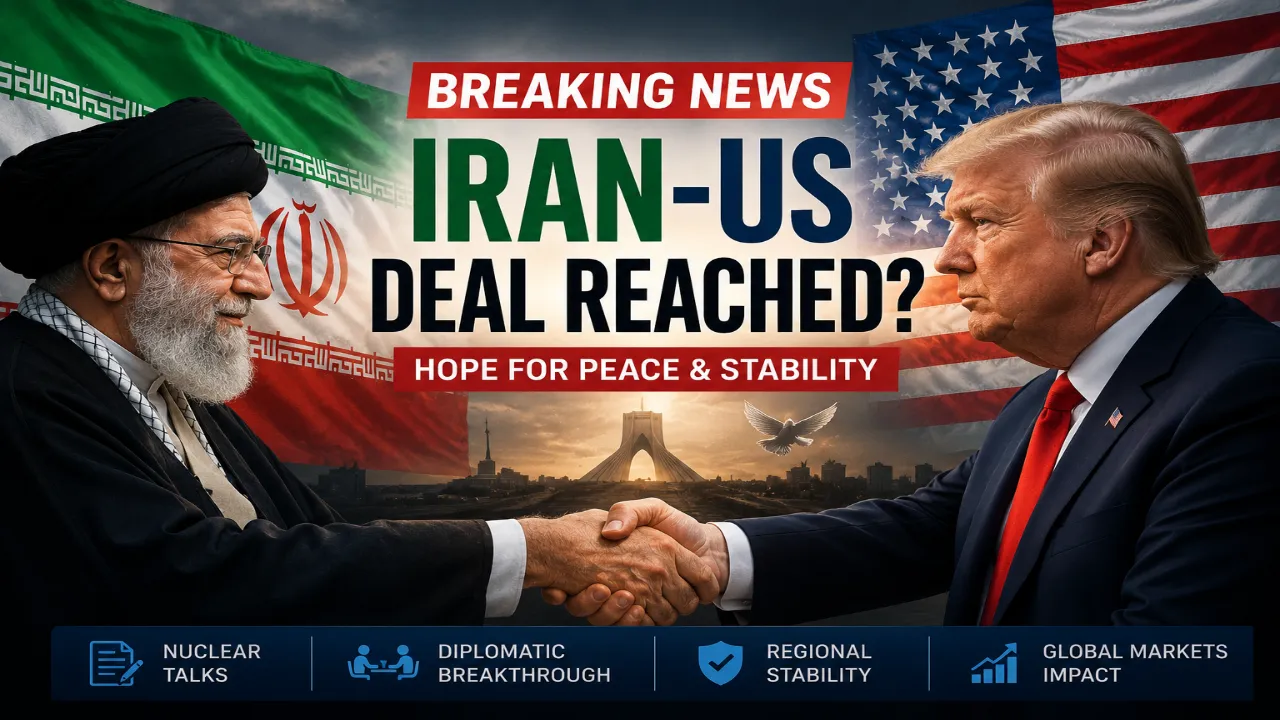
The Middle East is standing on a knife's edge today as conflicting reports regarding a potential memorandum of understanding dominate the iran-us deal news cycle. It’s a classic case of he-said, she-said with the world’s oil supply hanging in the balance. While the Iranian Foreign Ministry claims they've never been closer to a signature, Donald Trump has dismissed their version of reality as a complete fabrication that has no relation to the truth. The stakes couldn't be higher.
Let’s be honest about what is happening here. We are watching a high-stakes poker game played out in real-time on the global stage. One side is signaling peace, while the other is canceling air strikes and calling out lies. If you feel confused, you aren't alone. Keeping up with the iran-us deal news requires a filter to separate political theater from actual diplomatic progress.
Why the Iran-US Deal News is Sending Shockwaves Through the Middle East
Foreign Minister Abbas Araghchi didn't mince words when he addressed the media, suggesting that a Memorandum of Understanding (MOU) with the United States has never been closer. This is a massive claim. If true, it would signal a tectonic shift in a relationship that has been defined by sanctions, threats, and proxy wars for decades. However, the optimism coming out of Tehran is being met with a cold blast of reality from Washington. This disconnect is the primary driver of the current iran-us deal news volatility.
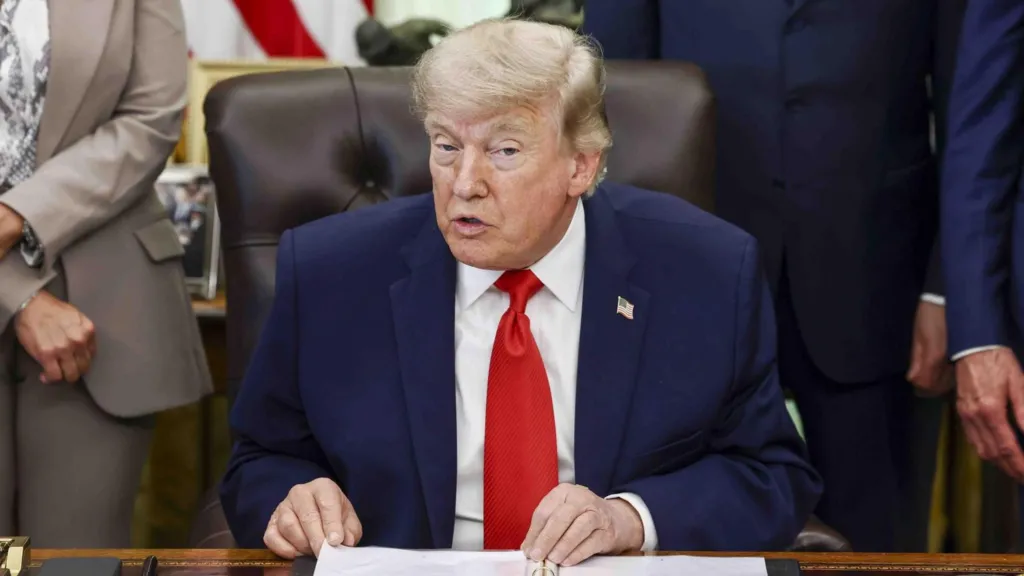
Trump’s response was swift and characteristically blunt. He claims that the Iranian version of the peace deal has "no relation to the truth." This creates a dangerous information vacuum. When two superpowers can't even agree on whether a deal is being discussed, the markets react. We've seen oil prices fluctuate wildly as traders scramble to interpret the latest iran-us deal news updates.
The Hormuz Factor and Global Oil Markets
Why does this matter to the average person? It’s simple: the Strait of Hormuz. A significant portion of the world's petroleum passes through this narrow waterway. Any escalation in the iran-us deal news directly affects the cost of filling up your tank. If the MOU falls through and tensions lead to a blockade or military skirmish, the economic fallout would be global.
- Market Volatility: Investors hate uncertainty, and the iran-us deal news is providing plenty of it.
- Energy Security: Europe and Asia are particularly vulnerable to any disruptions in the Persian Gulf.
- Sanctions Relief: Iran is desperate for the removal of economic shackles, which is why they are pushing the MOU narrative so hard.
Trump reportedly canceled new strikes against Iranian targets recently, which adds another layer to the iran-us deal news narrative. He claims a deal was approved, but then Tehran changed the terms. It’s a mess. The rhetoric coming from the White House suggests that while a deal is desired, the current terms offered by Iran are a non-starter. This back-and-forth is exactly why the iran-us deal news is trending so heavily right now.
Media Speculation and the Araghchi Warning
Araghchi has gone as far as telling the media to refrain from speculating on the content of the MOU. That’s a tall order. In the absence of hard facts, speculation is the only currency the media has. When the Iranian FM says a deal is close, but the US President says it's a lie, the iran-us deal news becomes a battlefield of narratives.
We need to look at the motivations here. For Iran, projecting the image of a nearing deal helps stabilize their internal economy and gives them leverage with regional neighbors. For Trump, maintaining a "maximum pressure" stance while showing he is willing to walk away from a "bad deal" is a key part of his political brand. This clash of egos is baked into every piece of iran-us deal news we consume.
How Israel and Lebanon Fit Into the Equation
The crisis isn't just about Washington and Tehran. The iran-us deal news has massive implications for Israel and Lebanon. Israel has long maintained that any deal that doesn't completely dismantle Iran's nuclear capabilities is a threat to their existence. Meanwhile, Lebanon sits in a precarious position as a primary site for Iranian-backed proxy influence.
If a deal is reached, does it include provisions for Hezbollah? Does it limit Iran's influence in Beirut? These are the questions that make the iran-us deal news so incredibly complex. We aren't just talking about a piece of paper; we are talking about the regional balance of power for the next twenty years.
The Reality of the "Close" MOU
Is a deal actually close? It depends on who you ask. If you follow the iran-us deal news from Al Jazeera, you might see a more optimistic outlook based on Araghchi's comments. If you read The Guardian or Israeli outlets, the tone is much more skeptical. The truth likely lies somewhere in the middle. There is clearly a draft on the table, but the distance between "draft" and "signed treaty" is a chasm filled with political landmines.
Don't expect a resolution overnight. The history of these negotiations is one of two steps forward and three steps back. The recent iran-us deal news cycle is just the latest chapter in a long-running saga. What makes this time different is the sheer speed at which information—and misinformation—is spreading.
Every time a diplomat speaks or a president tweets, the iran-us deal news changes direction. For those of us watching from the sidelines, the best strategy is to look for concrete actions rather than rhetoric. When the sanctions actually start to lift, or when the inspectors actually get into the facilities, then we’ll know the iran-us deal news has turned into actual policy.
FAQ: Understanding the Iran-US Deal News
What is the latest iran-us deal news today? As of June 2026, the latest iran-us deal news involves a direct contradiction between Iranian Foreign Minister Araghchi, who says an MOU is closer than ever, and President Trump, who calls the Iranian claims a lie.
Where can I find reliable iran-us deal news updates? Reliable iran-us deal news can be found by cross-referencing sources like Al Jazeera, The Guardian, and The Times of Israel to see where the narratives overlap and where they diverge.
How does the iran-us deal news affect gas prices? Political instability in the Middle East often leads to higher oil prices. If the iran-us deal news suggests a breakdown in diplomacy, markets typically react by increasing the price of crude oil.
Why is Trump denying the iran-us deal news coming from Tehran? Trump often uses a strategy of public denial to maintain leverage in negotiations. By dismissing the Iranian claims, he signals that he is not desperate for a deal and will only sign on his terms.
What Happens Next?
Forget the official statements for a second and look at the logistics. The US has canceled strikes, and Iran is inviting dialogue. This suggests that despite the public name-calling, there is a back-channel conversation happening. The next 72 hours will be critical for the iran-us deal news cycle. If we see a cooling of rhetoric from the White House, Araghchi’s "close deal" might actually have some legs.
Expect the unexpected. The future of the iran-us deal news isn't written in a press release; it’s being negotiated in closed rooms in neutral territories. If you’re waiting for a clear signal, keep an eye on the Strait of Hormuz and the price of Brent Crude. The numbers don’t lie, even when the politicians do. The most likely outcome? A watered-down agreement that both sides can claim as a victory while kicking the most difficult issues further down the road.
Gilgit Baltistan Election 2026 Results: Latest Updates and Key Outcomes
June 8, 2026
Trump Iran Tensions Explode: Why the Strait of Hormuz Drone Strike Changes Everything
June 9, 2026
YouTube Automation 2026: Complete Guide to Start a Faceless Channel & Earn $500/Month
April 19, 2026
💬 Comments
No approved comments yet. Be the first to share your thoughts!
Leave a Comment
Your email address will not be published. Required fields are marked *