
Huawei Data Center in Pakistan: Gul Ahmed Group Invests $230 Million in Largest Tier III Facility
📌 In This Article
- Pakistan's Largest Data Center Is Coming to Karachi
- What Is a Tier III Data Center?
- Why This Project Matters for Pakistan
- Supporting Pakistan's AI Future
- Data Sovereignty and National Security
- Economic Impact and Job Creation
- How Businesses Will Benefit
- The Link Between Data Centers and 5G
- Challenges Ahead
- Frequently Asked Questions
- What is the Huawei data center in Pakistan project?
- How much is being invested?
- Where will the facility be located?
- When will it become operational?
- What makes it a Tier III data center?
- Why is this important for Pakistan?
- Final Thoughts
Pakistan is finally taking a major step toward building the digital infrastructure needed for the next generation of technology. The latest buzz around the Huawei data center in Pakistan is not just another corporate announcement. It represents one of the largest technology infrastructure investments ever made in the country.
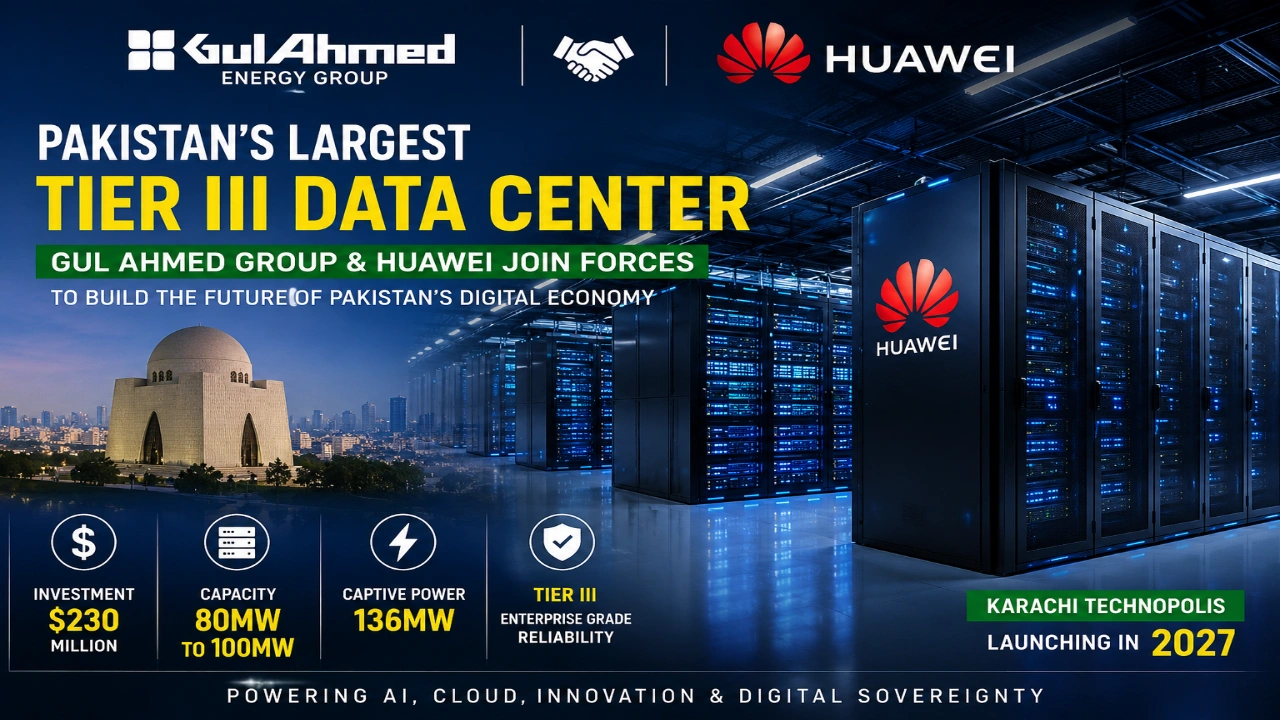
Quantum Global Data Center (QGDC), a venture backed by Gul Ahmed Energy Group, has announced plans to develop Pakistan’s largest Tier III data center in Karachi with an initial investment of approximately $230 million. Huawei Pakistan has joined the initiative as the anchor infrastructure partner, bringing its expertise in cloud computing, data center architecture, and enterprise technology solutions.
At a time when artificial intelligence, cloud computing, fintech services, e-commerce platforms, and digital government systems are expanding rapidly, Pakistan's dependence on foreign cloud infrastructure has become increasingly expensive and inefficient. The new Huawei data center in Pakistan aims to change that by creating world-class digital infrastructure inside the country.
Pakistan's Largest Data Center Is Coming to Karachi
According to project details released by QGDC, the facility will be developed in Karachi Technopolis and is expected to become operational in 2027.
The project is designed with an estimated capacity ranging between 80MW and 100MW, supported by approximately 136MW of dedicated captive power generation infrastructure. This scale places it among the most significant data center developments in South Asia.
For years, Pakistani businesses have relied on overseas cloud infrastructure located in countries such as Singapore, the UAE, and the United States. While these services provide reliability, they also create higher costs, increased latency, and concerns related to data sovereignty.
The Huawei data center in Pakistan is expected to address these challenges by bringing enterprise-grade cloud infrastructure closer to local users and organizations.
What Is a Tier III Data Center?
Many people hear the term "Tier III" without fully understanding its importance.
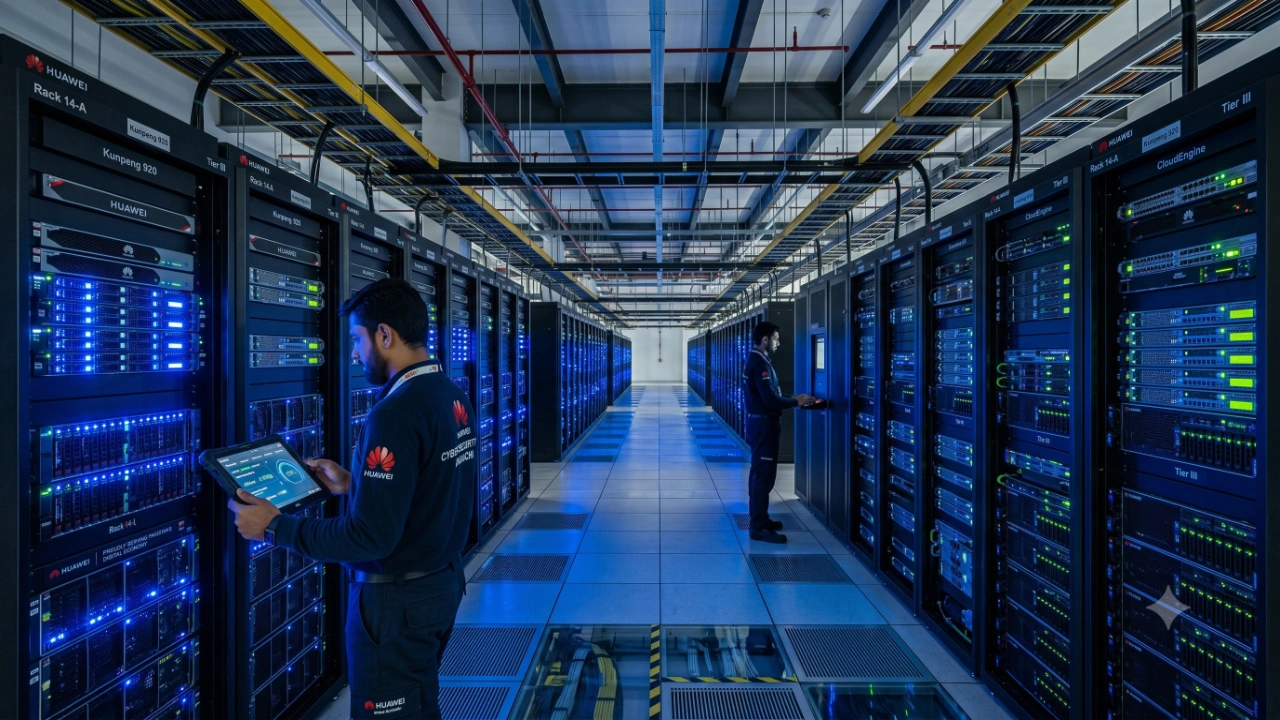
A Tier III data center is considered enterprise-grade infrastructure designed to deliver approximately 99.982% uptime. It includes redundant systems that allow maintenance to occur without shutting down operations.
Key features include:
- Multiple backup power systems
- Advanced cooling infrastructure
- Redundant network connectivity
- Enhanced cybersecurity protection
- Continuous operation during maintenance
- Disaster recovery capabilities
For industries such as banking, telecommunications, healthcare, government services, fintech, and e-commerce, reliability is critical. Even a few minutes of downtime can result in financial losses and service disruptions.
This is why the Huawei data center in Pakistan could become a foundational piece of infrastructure for the country's digital economy.
Why This Project Matters for Pakistan
Pakistan has long struggled with digital infrastructure limitations. While internet usage has grown significantly over the past decade, the backend infrastructure needed to support modern digital services has not expanded at the same pace.
Today, many Pakistani companies host their applications and databases overseas. Every time a user accesses an app, visits a website, or completes a digital transaction, that data often travels thousands of miles before returning to the user.
The Huawei data center in Pakistan can significantly reduce latency by keeping critical workloads inside the country.
This means:
- Faster website loading speeds
- Improved cloud application performance
- Better user experiences
- Lower hosting costs
- Reduced dependence on foreign infrastructure
For businesses, these improvements can translate directly into higher productivity and improved customer satisfaction.
Supporting Pakistan's AI Future
Artificial intelligence is becoming one of the most important technologies of the modern economy.
However, AI systems require massive computing resources and significant storage capacity. Without local infrastructure, organizations often depend on expensive international cloud providers.
The Huawei data center in Pakistan could help support local AI development by providing scalable computing resources for startups, universities, software houses, and research institutions.
As Pakistan attempts to build a competitive AI ecosystem, local infrastructure will become increasingly important.
Industry experts believe that facilities such as the QGDC project could help accelerate innovation across sectors including:
- Artificial intelligence
- Machine learning
- Data analytics
- Cybersecurity
- Financial technology
- Health technology
The availability of local computing resources could lower barriers for entrepreneurs and create new opportunities for innovation.
Data Sovereignty and National Security
One of the most important aspects of this project is data sovereignty.
Data sovereignty refers to the ability of a country to maintain control over data generated within its borders.
When government departments, businesses, and citizens store information on foreign servers, concerns can arise regarding privacy, compliance, and security.
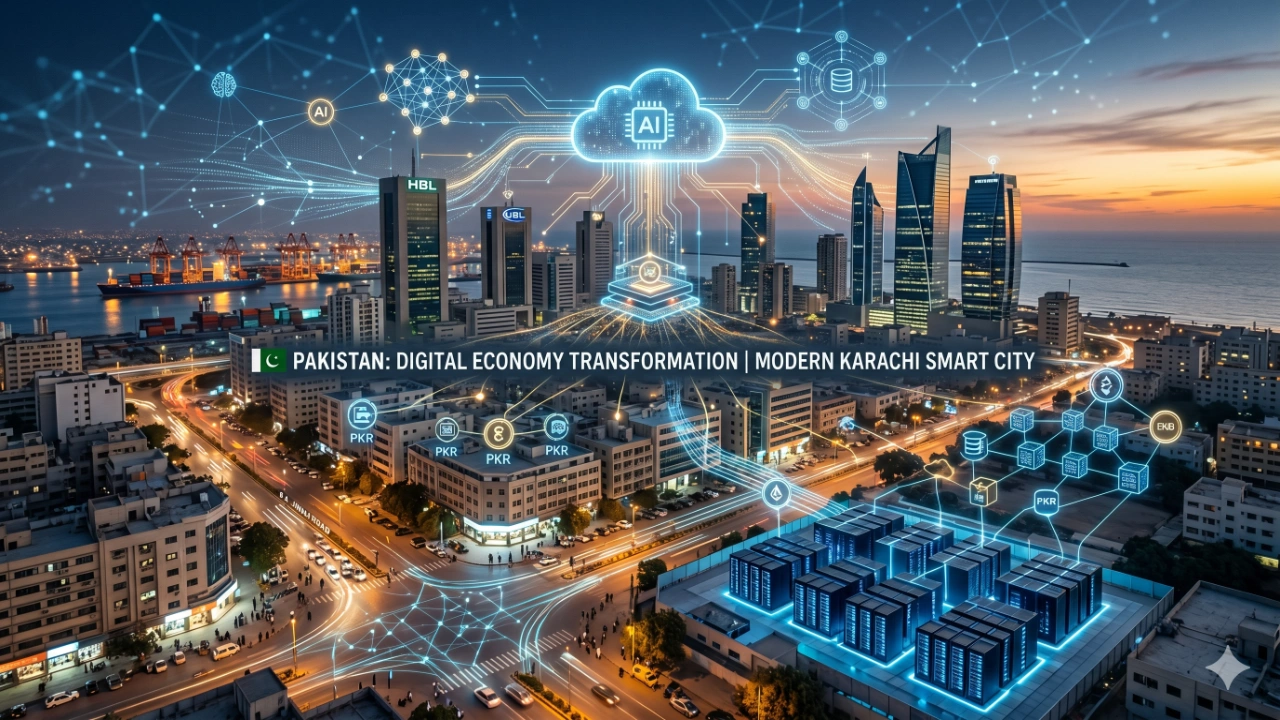
By establishing a Huawei data center in Pakistan, organizations will have the option to host sensitive workloads locally while remaining subject to Pakistani regulations and oversight.
For government agencies and critical industries, this can provide greater confidence regarding data protection and operational control.
Economic Impact and Job Creation
Large-scale infrastructure projects create opportunities far beyond the technology sector.
The development of Pakistan's largest Tier III data center is expected to generate employment opportunities across multiple industries.
Potential benefits include:
- Construction and engineering jobs
- Network infrastructure roles
- Cybersecurity positions
- Cloud computing specialists
- Data center operations personnel
- Technical support and maintenance teams
In addition, Huawei has previously announced training initiatives focused on developing digital skills among Pakistani youth.
As demand for cloud computing and AI services grows, skilled technology professionals will become increasingly valuable to the national economy.
How Businesses Will Benefit
For Pakistani businesses, the advantages extend beyond faster internet performance.
Local cloud infrastructure can reduce operational costs by eliminating the need for international hosting services.
Companies operating in sectors such as:
- E-commerce
- Fintech
- Banking
- Telecommunications
- Logistics
- Media
- Software development
can potentially benefit from lower latency and improved reliability.
For startups, access to local enterprise-grade infrastructure may also make it easier to scale products without incurring significant foreign hosting expenses.
The Link Between Data Centers and 5G
The future rollout of 5G networks in Pakistan will require powerful backend infrastructure.
5G generates massive amounts of data that must be processed quickly and efficiently.
Without modern data centers, many of the promised benefits of 5G—including smart cities, connected devices, autonomous systems, and advanced industrial automation—would be difficult to achieve.
The Huawei data center in Pakistan could therefore play a crucial role in supporting future telecommunications development.
Challenges Ahead
Despite the project's enormous potential, several challenges remain.
Data centers require:
- Continuous electricity supply
- Advanced cooling systems
- Strong cybersecurity measures
- Reliable regulatory frameworks
Pakistan's energy infrastructure will need to support these requirements effectively.
The project's reported 136MW captive power component is designed to help address some of these concerns, but long-term operational success will depend on consistent execution and policy stability.
Frequently Asked Questions
What is the Huawei data center in Pakistan project?
It is a major digital infrastructure initiative involving Quantum Global Data Center (QGDC), backed by Gul Ahmed Energy Group, with Huawei serving as the anchor technology partner.
How much is being invested?
The initial investment is reported at approximately $230 million.
Where will the facility be located?
The data center is planned for Karachi Technopolis in Karachi.
When will it become operational?
Current reports indicate that the project is expected to become operational in 2027.
What makes it a Tier III data center?
Tier III facilities provide approximately 99.982% uptime and include redundant power, cooling, and network systems to ensure high reliability.
Why is this important for Pakistan?
The project can strengthen digital infrastructure, reduce dependence on foreign cloud providers, support AI development, improve data sovereignty, and create economic opportunities.
Final Thoughts
The Huawei data center in Pakistan represents far more than a technology investment. Backed by Gul Ahmed Energy Group's reported $230 million commitment and supported by Huawei's technical expertise, the project has the potential to reshape Pakistan's digital landscape.
From cloud computing and artificial intelligence to fintech, e-commerce, and government digital services, nearly every major sector could benefit from stronger local infrastructure.
If successfully executed, Pakistan's largest Tier III data center could become one of the country's most important technology assets and help position Pakistan as a more competitive player in the regional digital economy.
Also Read:- Icc Womens T20i WorldCup

Is the Facebook or Insta Server Down Today? What You Need to Know About the Meta Outage
June 12, 2026
Easypaisa Services Unavailable in Pakistan: Why the App is Down and What You Can Do
June 12, 2026
YouTube Automation 2026: Complete Guide to Start a Faceless Channel & Earn $500/Month
April 19, 2026
💬 Comments
No approved comments yet. Be the first to share your thoughts!
Leave a Comment
Your email address will not be published. Required fields are marked *